In a recent legal development, a US tourist has initiated a lawsuit against the renowned Royal Albert Hall in London due to an accident that occurred during her visit. This incident has raised questions about safety measures at major UK tourist destinations and their implications for international travelers.
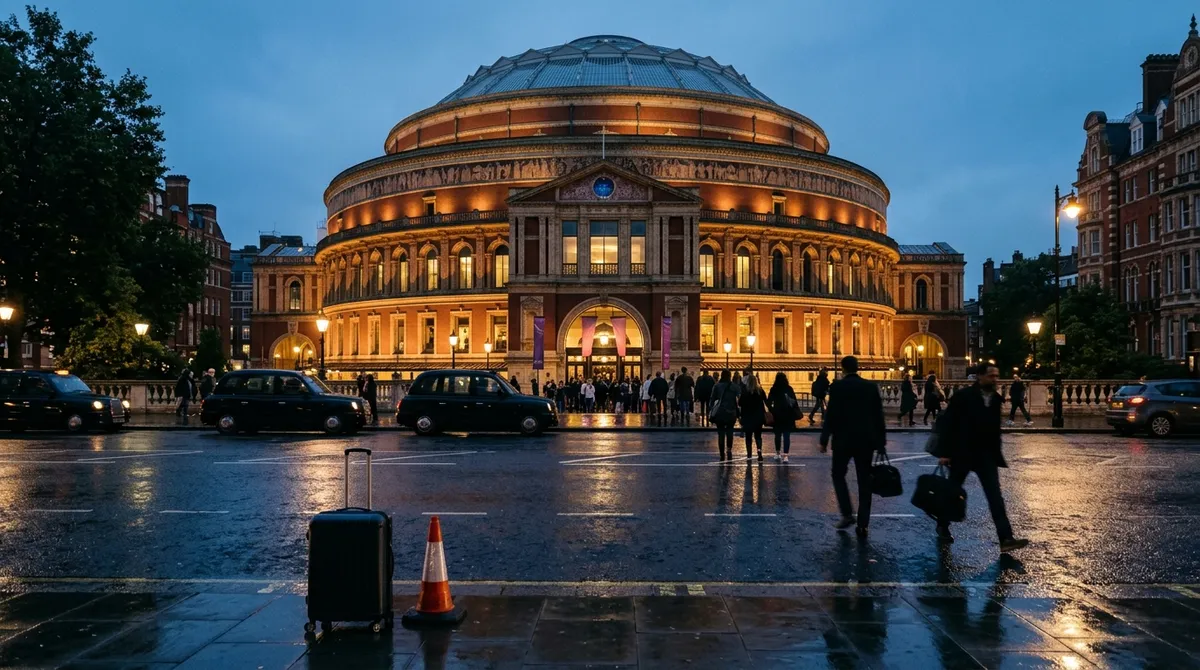
The Royal Albert Hall, a cornerstone of London's cultural scene, stands as an iconic venue attracting visitors from across the globe. Known for its architectural grandeur and historical significance, it hosts a myriad of events, from concerts to ceremonial gatherings. The recent lawsuit involves a claim by a US visitor who alleges that inadequate safety measures led to her fall, resulting in injuries. This case highlights important considerations for both tourists and venue operators regarding safety standards.
Understanding Venue Safety Regulations
Safety regulations are paramount in ensuring the well-being of visitors to any public venue. In the UK, venues like the Royal Albert Hall are required to adhere to stringent safety protocols. These include maintaining clear walkways, ensuring adequate lighting, and providing sufficient signage to guide guests. The lawsuit underscores the necessity for ongoing vigilance and periodic reviews of these measures to prevent accidents.
The outcome of this case could influence how tourist attractions across the UK approach their safety policies. Enhanced scrutiny and potential legal precedents may prompt venues to reassess their protocols, ensuring they meet the highest standards of safety to protect visitors and avoid similar incidents.
Implications for International Travelers
For international travelers, such incidents serve as reminders of the importance of being aware of safety information and emergency procedures at tourist sites. While venues strive to offer a safe environment, tourists should also take personal precautions. This includes familiarizing themselves with the layout of the venue, noting emergency exits, and adhering to any safety advisories provided by operators. Awareness and preparedness can significantly reduce the risk of accidents during travel.
Impact on UK Tourism
The lawsuit against the Royal Albert Hall raises broader questions about the potential impact on UK tourism. While the UK remains a sought-after destination for its rich history and vibrant culture, safety concerns could influence travelers' perceptions. Ensuring that all tourist sites adhere to exemplary safety standards is crucial for maintaining the country's reputation as a safe and welcoming destination.
In response to such incidents, tourism boards and venue operators might intensify their efforts in promoting safety and transparency. This could involve enhanced training for staff, regular safety audits, and clear communication of safety measures to visitors. By doing so, the UK can continue to attract tourists while ensuring their safety and satisfaction.
Legal Outcomes and Their Effects
The resolution of the lawsuit could set a significant legal precedent for future cases involving tourist accidents. If the court rules in favor of the plaintiff, it might lead to more stringent regulations and increased liability for venue operators. This, in turn, could drive improvements in safety standards, benefiting both tourists and the venues themselves.
Conversely, if the Royal Albert Hall successfully defends its case, it may affirm the adequacy of current safety measures and reinforce existing protocols. Regardless of the outcome, this case serves as a critical reminder of the constant need for vigilance and proactive safety management in public venues.
Conclusion
The lawsuit against the Royal Albert Hall highlights the delicate balance between preserving historical venues and ensuring modern safety standards. For tourists and venue operators alike, this case underscores the importance of safety awareness and proactive measures. As the legal proceedings unfold, the implications for UK tourism and international travelers will continue to evolve. Maintaining a commitment to safety and transparency will be key to upholding the UK's standing as a premier travel destination.