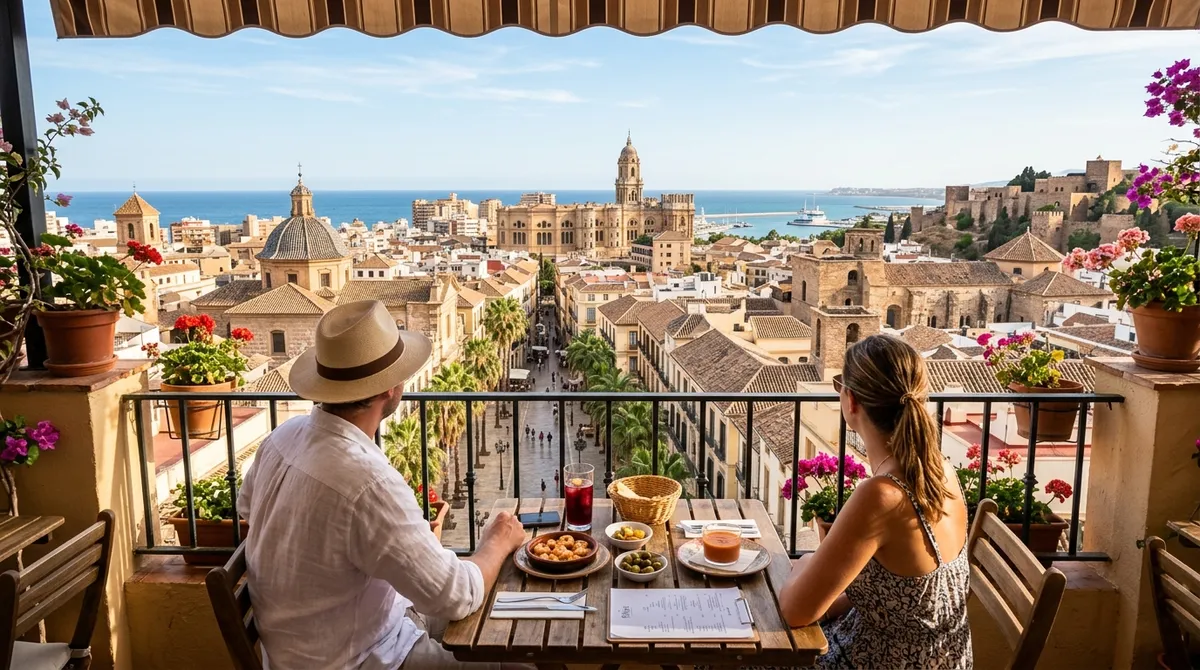
Malaga has become one of Spain's most talked-about city breaks, and its appeal goes far beyond sunshine. Set on the Costa del Sol in southern Andalusia, this Mediterranean city blends beach life, historic neighborhoods, world-class art, relaxed dining, and an easygoing local rhythm. It is also frequently recognized in global happiness and livability discussions, especially among travelers, remote workers, and international residents seeking a warm, walkable, culturally rich place to enjoy Spain.
Why Malaga Feels Like One of the Happiest Cities in Spain
Malaga offers a rare balance that many European destinations struggle to maintain. It feels lively without being overwhelming. It has major-city connections, yet daily life remains approachable. Visitors can spend the morning exploring ancient fortresses, eat grilled seafood by the sea at lunch, and watch the sunset from a rooftop bar before dinner.
The city's happiness factor starts with its climate. Malaga enjoys mild winters, bright skies, and long summers. For travelers from colder regions, that steady dose of sunshine can transform the experience. Outdoor dining, sea walks, open-air markets, and beach days are possible for much of the year.
Another reason Malaga stands out is its human scale. The historic center is compact and largely walkable. Many key attractions sit within a comfortable stroll of each other, including the cathedral, the Alcazaba, the Roman Theatre, and several museums. This makes the city especially attractive for short breaks, solo trips, and first-time visitors to Andalusia.
A City Where History and Modern Life Meet
Malaga is one of Europe's oldest continuously inhabited cities, with roots linked to Phoenician, Roman, Moorish, and Christian history. That layered past is still visible across the city. The Roman Theatre sits below the Alcazaba, a dramatic hilltop palace-fortress from the Islamic period. Higher above, Gibralfaro Castle offers panoramic views across the port, old town, and Mediterranean Sea.
Yet Malaga does not feel trapped in the past. Over recent decades, the city has invested heavily in culture, waterfront regeneration, public spaces, and museums. The port area, known as Muelle Uno, now has shops, restaurants, art spaces, and sea views. Nearby, the Centre Pompidou Malaga adds a bold modern landmark to the waterfront.
Art lovers have another major reason to visit. Malaga is the birthplace of Pablo Picasso, and the Picasso Museum is one of the city's essential cultural stops. Visitors can also explore the artist's birthplace in Plaza de la Merced, a lively square surrounded by cafes and historic streets.
Beaches Add to Malaga's Relaxed Lifestyle
Few European cities combine urban culture and beach access as easily as Malaga. Playa de la Malagueta is the best-known city beach and sits close to the center. It is convenient, energetic, and ideal for travelers who want a swim without leaving town.
For a more local atmosphere, head east to Pedregalejo or El Palo. These former fishing neighborhoods are known for waterfront restaurants, family-friendly beaches, and the classic Malaga dish of sardines cooked over open fires. This simple meal, often served beside the sand, captures the city's unpretentious coastal charm.
Beach culture here is not only about sunbathing. It is part of daily life. Locals walk along the promenade, meet friends for coffee, exercise by the sea, and gather for long lunches. For visitors, this relaxed pace is one of the easiest ways to understand Malaga's appeal.
Food Is Central to the Malaga Experience
Malaga's dining scene is another reason the city feels so welcoming. The food is flavorful, social, and deeply connected to the sea and surrounding countryside. Seafood is a highlight, especially fried fish, grilled prawns, clams, anchovies, and sardine skewers known as espetos.
A great place to begin is Mercado Central de Atarazanas. This historic market combines colorful produce stalls, fresh seafood counters, cured meats, cheeses, olives, and casual tapas bars. It is ideal for breakfast, lunch, or a relaxed food-focused wander.
Traditional dishes to try include ajoblanco, a chilled almond and garlic soup, and porra antequerana, a thicker cousin of gazpacho. Sweet Malaga wine is also part of the city's identity. Pair it with local desserts or sample it in an old-style tavern in the historic center.
Dining hours may surprise first-time visitors. Lunch often happens later than in northern Europe, and dinner can start well after sunset. Embracing this schedule helps travelers enjoy the city at its natural pace.
Best Time to Visit Malaga
Malaga is a year-round destination, but each season has a different feel. Spring is one of the best times to visit. Temperatures are pleasant, flowers are in bloom, and sightseeing is comfortable. Autumn is also excellent, with warm seas, fewer crowds, and a softer atmosphere.
Summer brings heat, beach energy, and a lively nightlife scene. It is a popular time for families, festival-goers, and sunseekers. However, daytime temperatures can be intense, especially in July and August. Plan museum visits, shaded walks, or beach time outside the hottest afternoon hours.
Winter is mild compared with much of Europe. It is not always beach weather, but it is ideal for cultural tourism, outdoor cafes, and relaxed city exploration. Travelers seeking winter sun often find Malaga more affordable and less crowded during this period.
How to Get Around Malaga
Malaga is easy to navigate, which adds to its visitor-friendly reputation. Malaga-Costa del Sol Airport is one of Spain's busiest airports and has many European connections. The airport train reaches the city center quickly, making arrival simple even for first-time visitors.
Once in the center, walking is the best option for most sightseeing. The old town is compact, atmospheric, and filled with pedestrian streets. Buses and metro lines help with longer journeys, while taxis and ride services are widely available.
If you plan day trips, Malaga's rail and bus links are useful. High-speed trains connect the city with Madrid and other Spanish destinations. Regional transport also makes it possible to visit nearby coastal towns or inland Andalusian highlights.
Top Things to Do in Malaga
Start with the Alcazaba, one of Malaga's most important landmarks. Its courtyards, arches, gardens, and viewpoints offer insight into the city's Moorish heritage. Continue to Gibralfaro Castle if you want the best views, especially around sunset.
The Cathedral of Malaga is another must-see. Locals often refer to it by a nickname linked to its unfinished tower. Inside, visitors find impressive architecture, chapels, choir stalls, and art.
For museums, prioritize the Picasso Museum if time is short. The Carmen Thyssen Museum is also worth visiting for Spanish and Andalusian art. Contemporary art fans should consider the Centre Pompidou Malaga or the CAC Malaga.
Leave time for wandering. Malaga rewards slow exploration. Side streets reveal tiled churches, small squares, independent shops, tapas bars, and hidden courtyards. The city's charm often appears between the headline attractions.
Day Trips from Malaga
Malaga is also a strong base for exploring southern Spain. Granada and the Alhambra can be visited with planning, although an overnight stay allows more time. Ronda, with its dramatic gorge and whitewashed streets, is another unforgettable day trip.
Nature lovers may want to walk the Caminito del Rey, a famous cliffside route north of Malaga. Tickets should be booked in advance. Nerja offers beaches, sea caves, and attractive viewpoints, while Marbella provides a more polished resort atmosphere.
These options make Malaga more than a quick city break. It can anchor a broader Andalusia itinerary combining coast, mountains, culture, and historic towns.
What to Know Before You Go
Malaga is welcoming, but a few practical tips improve the trip. Book popular attractions ahead during peak travel periods. Wear comfortable shoes, as the historic streets and castle routes involve uneven surfaces and climbs.
Respect local rhythms. Many smaller businesses may close during part of the afternoon, especially outside the busiest tourist zones. Late dinners are normal, and evenings often feel more animated than mornings.
Pack for sun protection, even outside summer. Sunglasses, sunscreen, and a hat are useful for long walks. In summer, carry water and take breaks during the hottest hours.
Learning a few Spanish phrases is appreciated. Many workers in central tourist areas speak English, but basic greetings and polite expressions help create warmer interactions.
Malaga Deserves Its Feel-Good Reputation
Malaga's reputation as one of Spain's happiest urban destinations is easy to understand once you experience it. The city combines Mediterranean weather, beach access, rich history, excellent food, strong transport links, and a relaxed social spirit. It is polished enough for international visitors yet still rooted in Andalusian life.
Whether you come for art, sunshine, tapas, coastal walks, or a gateway to southern Spain, Malaga delivers more than a simple beach escape. It offers a balanced, uplifting city experience that leaves many travelers planning a return before they have even left.