Jamaica Bets on a New Tourism Blueprint
Jamaica's tourism industry is taking a deliberate step forward with the launch of "Tourism 3.0," a strategic framework designed to chart a more sustainable and equitable path for the island's most important economic sector. The initiative signals a significant shift in thinking — moving away from a pure volume-driven model toward one that prioritizes long-term development and ensures that the benefits of tourism are felt by workers and local communities alike.
As Caribbean destinations continue navigating post-pandemic recovery, the pressure to grow visitor numbers while managing the social and economic impacts on host communities has never been greater. Jamaica's structured approach stands out as one of the more deliberate responses to that challenge in the region.
What Tourism 3.0 Is All About
At its core, Tourism 3.0 represents a framework built around sustained development rather than rapid expansion for its own sake. According to reports, the initiative is designed with specific pillars and initiatives that address not just visitor growth, but also the welfare of the people who power the industry — hotel workers, guides, vendors, and the wider communities that surround major tourist destinations.
Traditional mass-tourism models have long been criticized for generating significant revenue at the national level while leaving frontline workers and local businesses with a limited share of the economic upside. Tourism 3.0 appears to directly address that imbalance, positioning inclusive growth as a central goal rather than an afterthought.
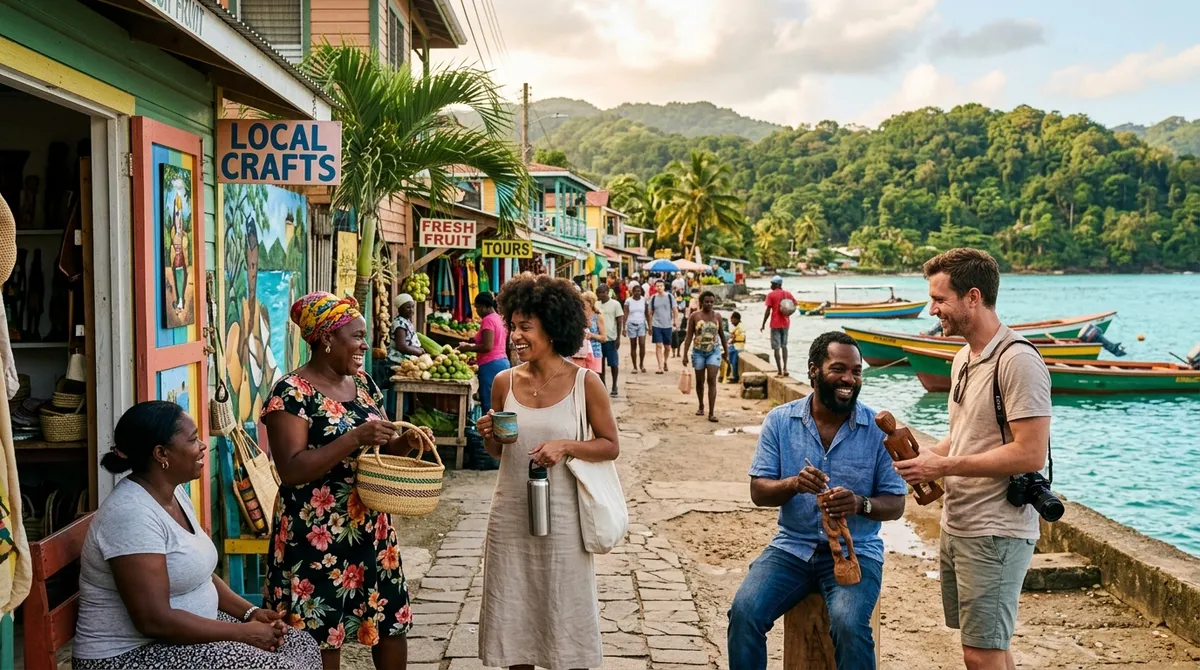
For travelers visiting Jamaica, this kind of framework could translate into a richer, more authentic experience — one where local culture, community enterprises, and sustainable practices are woven into the destination itself rather than existing on the margins of resort life.
Why This Moment Matters for the Caribbean
Jamaica is not operating in a vacuum. Across the Caribbean, destinations are competing intensely for tourist dollars and facing mounting scrutiny over whether the industry's growth genuinely improves life for residents or primarily benefits international hotel brands and investors.
Jamaica's move to implement a structured, named framework — rather than ad hoc policy adjustments — positions it as a destination serious about long-term planning. Whether other Caribbean nations adopt similar models remains to be seen, but the introduction of Tourism 3.0 could serve as a reference point for the broader region as it continues to rebuild and reimagine its tourism economies.
The timing also matters. Post-pandemic travel demand has surged globally, and destinations that invest now in sustainable infrastructure, community partnerships, and worker welfare are likely better positioned to weather future disruptions — whether economic, environmental, or otherwise.
The Role of Innovation and Technology
According to reports, technology and innovation are expected to play a role in Jamaica's next-generation tourism approach. While specific details of the technology initiatives have not been fully outlined in available reporting, the inclusion of innovation as a pillar reflects a broader global trend: destinations increasingly turning to digital tools, data, and smart infrastructure to manage visitor flows, enhance experiences, and improve operational efficiency across the industry.
For travelers, this could eventually mean smoother, more connected experiences on the ground — from booking and transport to discovering local cultural offerings that might otherwise go unnoticed.
Challenges Ahead
Implementing equitable tourism growth is easier said than done. Jamaica, like many developing tourism economies, faces real structural challenges: ensuring that policy commitments translate into tangible improvements for workers, preventing the concentration of benefits among large operators, and maintaining environmental sustainability as visitor numbers grow.
The ambition embedded in Tourism 3.0 is clear, but the true measure of its success will come in execution — in whether local communities report meaningful improvements in income and quality of life, and whether the island's natural and cultural assets are preserved for future generations of both residents and visitors.
What It Means for Travelers Heading to Jamaica
For anyone planning a trip to Jamaica, the emergence of Tourism 3.0 is worth paying attention to. Destinations that are actively investing in community welfare and sustainable practices tend to offer travelers a more genuine and rewarding experience. Supporting locally owned businesses, engaging with cultural programming, and choosing operators who reinvest in their communities are all ways visitors can align their travel with the spirit of what Jamaica is trying to build.
Jamaica has long been one of the Caribbean's most beloved destinations — famous for its music, food, beaches, and warmth. If Tourism 3.0 delivers on its promise, it could deepen that reputation while ensuring the island's future as a destination remains bright for everyone who calls it home.