Indonesia rewards travelers who look beyond its most famous island. Across the archipelago, volcanic highlands, coral-rich seas, ancient temples, and living traditions create a journey that feels both adventurous and deeply cultural. From Komodo dragons and Papuan reefs to Sumatran lakes and Sulawesi rituals, the country offers remarkable alternatives for travelers seeking authentic Indonesia travel experiences.
Why Indonesia Is More Than Bali
Bali remains one of Asia's best-known destinations, yet Indonesia is made up of thousands of islands. Each region has its own language influences, food culture, landscapes, and spiritual identity. This diversity makes the country one of the world's most rewarding places for slow travel, responsible tourism, and nature-based holidays.
Improved air routes, new hotels, and stronger regional tourism campaigns have made lesser-known destinations easier to reach. Travelers can now combine beaches, wildlife, heritage sites, and local communities without following the usual crowded route. These emerging Indonesian destinations also help spread tourism benefits beyond established hubs.
Labuan Bajo and Komodo National Park
Labuan Bajo, on the western edge of Flores, has transformed from a quiet fishing town into a gateway for island adventures. Its main draw is Komodo National Park, a UNESCO-listed area famous for the Komodo dragon. These giant reptiles live on several islands, including Komodo and Rinca, where guided hikes allow visitors to observe them safely.
The wider park is equally impressive underwater. Pink Beach, manta ray sites, and colorful coral gardens make the area a standout for snorkeling and diving. Multi-day boat trips remain popular, especially for sunrise viewpoints at Padar Island. Visitors should choose responsible operators that follow wildlife rules and reduce plastic waste.
Raja Ampat: Indonesia's Marine Masterpiece
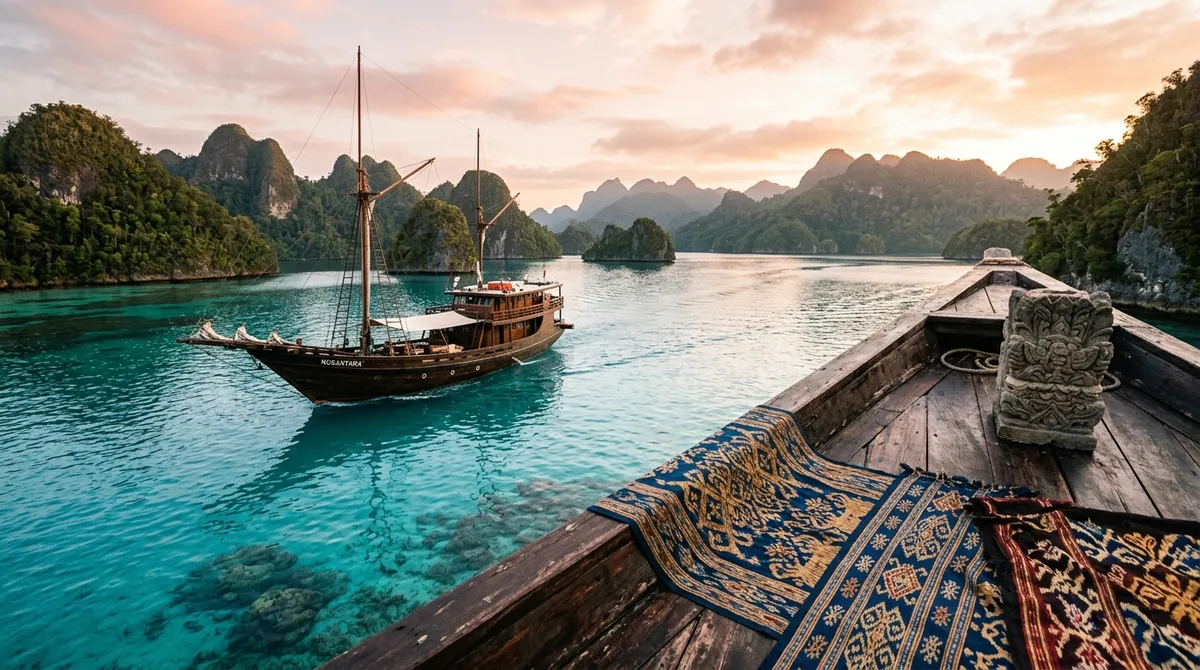
For many divers, Raja Ampat is the pinnacle of marine travel in Indonesia. Located in Southwest Papua, this remote archipelago is known for extraordinary biodiversity. Clear lagoons, limestone islets, reef walls, and healthy coral systems create a landscape that feels almost untouched.
The region supports manta rays, reef sharks, turtles, and countless fish species. Even non-divers can enjoy kayaking, village visits, birdwatching, and snorkeling in shallow reefs. Because Raja Ampat is fragile, visitors should respect local conservation fees, use reef-safe sunscreen, and avoid standing on coral. Community-run homestays offer a meaningful way to support island residents.
Yogyakarta: Heritage, Temples, and Creative Culture
Yogyakarta remains one of Java's most important cultural centers. It combines royal traditions, student energy, art workshops, and easy access to two of Indonesia's greatest monuments. Borobudur, a vast Buddhist temple complex, is admired for its stone reliefs and sunrise views. Nearby Prambanan showcases Hindu architecture through towering shrines and detailed carvings.
Inside the city, travelers can explore the Kraton palace, traditional markets, batik studios, and silver craft neighborhoods. Street food also plays a major role in the Yogyakarta travel experience. Dishes such as gudeg, satay, and local snacks make the city a strong choice for culture-focused visitors.
Lombok and the Gili Islands
Lombok offers dramatic scenery without the same level of development found in some busier resort areas. Mount Rinjani dominates the island and attracts trekkers with challenging routes, crater lake views, and sweeping volcanic landscapes. Along the southern coast, Kuta Lombok and Mandalika are gaining attention for surf breaks and wide beaches.
Off Lombok's northwest coast, the Gili Islands add a softer island-hopping experience. Gili Trawangan is known for nightlife, while Gili Air and Gili Meno feel calmer. Motor vehicles are limited on the islands, so bicycles and walking remain part of the charm. Snorkeling with turtles is a major highlight when done respectfully.
Sumba: Wild Coastlines and Living Traditions
Sumba has become one of Indonesia's most intriguing emerging destinations. The island is known for empty beaches, rolling savanna hills, traditional villages, and megalithic tombs. Its culture is distinct, with ancestral beliefs and ceremonial practices still visible in daily life.
Visitors can see high-roofed houses in villages such as Ratenggaro and Praijing. They can also explore natural attractions like Weekuri Lagoon and Lapopu Waterfall. Sumba's annual Pasola festival, a ritual horse-riding event, draws attention worldwide. Travelers should approach cultural events with sensitivity and follow local guidance before taking photographs.
Lake Toba and North Sumatra
Lake Toba is one of Southeast Asia's most impressive natural landmarks. Formed by an ancient volcanic eruption, it is among the world's largest volcanic lakes. Samosir Island sits in the middle and serves as the cultural heartland of the Batak people.
Traditional Batak houses, music, carvings, and lakeside villages give the area a strong identity. Visitors can swim, cycle, relax by the water, and learn about local history. Lake Toba is increasingly promoted as a priority destination, making it easier for travelers to include North Sumatra in a wider Indonesia itinerary.
Tana Toraja: Sacred Landscapes in Sulawesi
In the highlands of South Sulawesi, Tana Toraja offers one of Indonesia's most powerful cultural experiences. The region is known for tongkonan houses, carved cliffs, rice terraces, and elaborate funeral ceremonies. These ceremonies are important social and spiritual events, often involving extended families and entire communities.
Travelers can visit burial sites, traditional villages, and scenic viewpoints. However, cultural respect is essential. Guests should dress modestly, ask permission before taking photos, and understand that ceremonies are not performances. With the right approach, Tana Toraja provides rare insight into heritage that remains central to community life.
Belitung and the Appeal of Quiet Island Escapes
Belitung, located off Sumatra, is gaining recognition for its granite boulder beaches and clear blue water. The island has a relaxed pace, making it attractive for travelers who want coastal beauty without large crowds. Tanjung Tinggi and island-hopping routes around Lengkuas Island are among its most photogenic highlights.
Belitung also has cultural layers shaped by Malay, Chinese, and maritime communities. Local seafood, coffee shops, and village life add depth to a beach-focused trip. Its growing accessibility makes it a strong option for weekend escapes or a longer quiet holiday.
East Java: Volcanoes, Waterfalls, and Epic Views
East Java delivers some of Indonesia's most dramatic landscapes. Mount Bromo is famous for its sunrise panorama, ash plains, and surrounding caldera. The experience is especially memorable when mist moves through the volcanic basin in the early morning.
Farther east, Ijen Crater attracts travelers with its turquoise acidic lake and night hikes. The area is also known for sulfur miners who work in difficult conditions. Ethical travelers should hire licensed guides, follow safety rules, and avoid treating local labor as a spectacle. East Java also offers waterfalls, coffee plantations, and cultural cities like Malang.
Wakatobi and the Future of Sustainable Diving
Wakatobi, in Southeast Sulawesi, is another major name in Indonesia diving. The destination sits within a marine national park and is valued for coral reefs, wall dives, and calm island life. Its name reflects four main islands: Wangi-Wangi, Kaledupa, Tomia, and Binongko.
Unlike more crowded beach destinations, Wakatobi appeals to visitors who prioritize marine conservation and slower travel. Local communities, dive operators, and conservation groups play important roles in protecting the reefs. Travelers can support these efforts by choosing eco-conscious accommodation and minimizing single-use plastics.
Planning a Smarter Indonesia Itinerary
Indonesia's size means planning matters. Domestic flights are often necessary, and travel times can be longer than expected. Rather than rushing across too many islands, visitors should focus on one region or combine two compatible areas. For example, Java and Lombok work well together, while Flores and Komodo suit travelers seeking wildlife and sea adventures.
The dry season, generally from April to October in many regions, is popular for beaches, treks, and diving. Still, weather can vary across the archipelago. Remote areas may require extra flexibility, especially when boats or small aircraft are involved. Travel insurance, local guides, and advance permits can make a major difference.
Conclusion: The Next Chapter of Indonesia Travel
Indonesia's emerging destinations show how much the country offers beyond familiar holiday routes. Labuan Bajo brings wildlife and seascapes, Raja Ampat protects unmatched reefs, Yogyakarta preserves ancient heritage, and Sumba, Toraja, Toba, and Wakatobi reveal distinct cultural worlds. For travelers willing to explore thoughtfully, Indonesia is not just one destination. It is a collection of journeys, each with its own rhythm, beauty, and story.