TL;DR
An Israeli travel blogger, Yonatan Hershkowitz, visits Sapa, Vietnam, and discovers that its famed authenticity can be misleading, revealing a landscape dominated by tourist traps rather than genuine local culture.
Introduction
When you think of travel in Vietnam, Sapa often comes to mind—a breathtaking northern mountain town known for its stunning landscapes and rich local culture. However, as more travelers flock to its picturesque scenes, the question arises: is Sapa truly authentic or merely a curated experience filled with tourist traps? Israeli travel blogger Yonatan Hershkowitz shares his experience, shedding light on the tension between expectation and reality in this iconic destination.
The Allure of Sapa
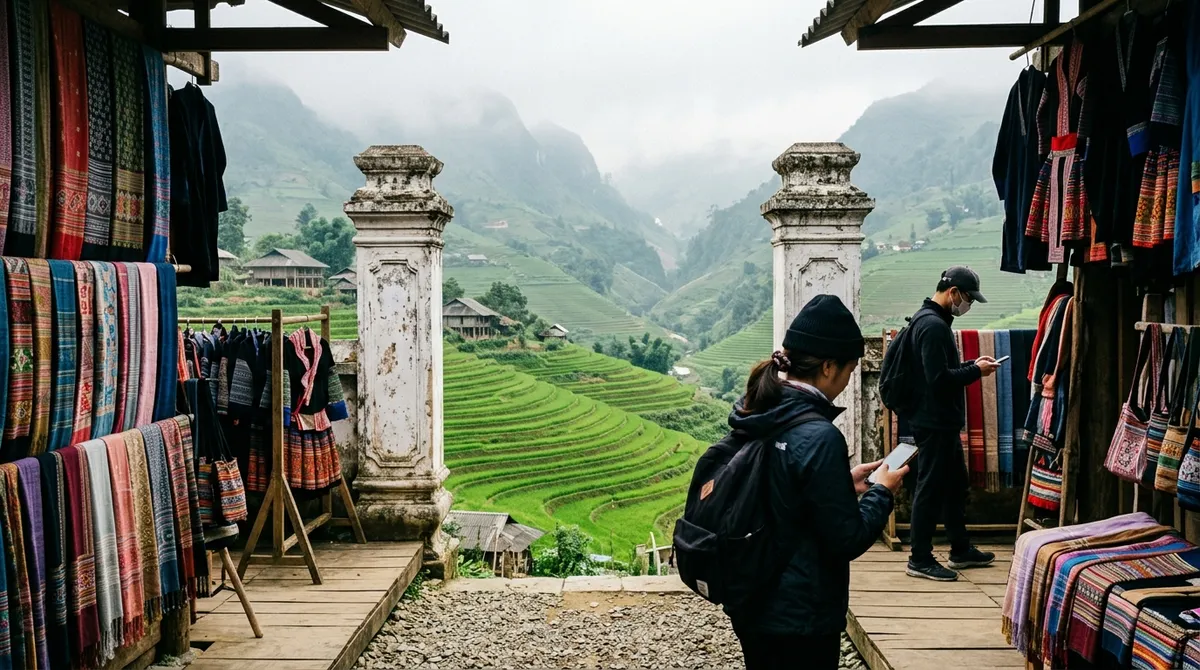
Sapa's lush terraced rice fields and towering mountains are undeniably captivating. Travelers are drawn to the idea of experiencing the traditional lifestyles of the local ethnic minorities—such as the Hmong, Dao, and Tay people—while immersing themselves in the region's stunning scenery. However, the increasing number of visitors has led to an intriguing question: how much of what you're experiencing in Sapa is genuine?
Sapa's Tourist Traps: What To Look Out For
Yonatan's journey reveals that many attractions marketed as authentic experiences are, in fact, designed solely to cater to tourists. Here are some common indicators that an experience might be more about entertainment than authenticity:
- Curated Cultural Shows: Events that focus more on performances and less on genuine cultural exchanges often lack the depth needed for a true understanding of local customs.
- Commercialized Souvenirs: If the majority of souvenirs available are mass-produced rather than handmade, it’s a strong sign that the local economy is more focused on profit than preserving cultural heritage.
- Guided Tours with Pre-set Itineraries: While guided tours can enhance your experience, those that stick strictly to predetermined paths may avoid true cultural immersion.
Expectation vs. Reality
So what does this mean for those who wish to experience the real Sapa? Yonatan's findings urge travelers to question their expectations. While the landscape may appear untouched, the commercialization of local culture creates a disconnect. It’s essential to understand that what might seem like an authentic experience could be tailored for photo opportunities rather than genuine cultural interactions.
Finding Authenticity in Sapa
Just because Sapa has its share of tourist traps doesn't mean all hope is lost for authenticity. Here are some tips for finding genuine experiences:
- Engage with Locals: Seek opportunities to interact with local residents outside of organized tours. Visiting local markets, attending language classes, or volunteering can provide deeper insights into the culture.
- Explore Lesser-Known Areas: While tourists flock to certain popular spots, exploring off-the-beaten-path locations can lead to more authentic encounters. Ask locals for recommendations on less commercialized places to visit.
- Support Small Businesses: Choose to eat at family-run restaurants or purchase handmade crafts directly from artisans. This supports the economy in a way that promotes cultural preservation rather than exploitation.
Beyond Sapa: The Bigger Picture
Yonatan’s experience in Sapa is a microcosm of a larger issue in global travel: the struggle for authenticity in an increasingly commercialized world. As tourism booms post-pandemic, many travelers seek more than just beautiful landscapes—they yearn for meaningful connections to the cultures they visit. Understanding the economics of tourism reveals how popular destinations evolve. Often, the very appeal of a destination can lead to overwhelming commercialization, which, in turn, diminishes the authenticity that initially attracted visitors.
Conclusion
While Sapa’s stunning views are undoubtedly worth the trip, prospective visitors should prepare for the reality that not all experiences are what they seem. By taking time to explore authentically and to question the curated offerings, travelers can carve out their own genuine encounters that respect both the destination and its inhabitants. So, will you still consider a visit to Sapa? With careful planning and an open mind, you may just discover the hidden gems that lie beyond the tourist traps.
Final Thoughts
The charm of Sapa lies in its breathtaking scenery, but the key to a fulfilling visit is seeking out genuine interactions and supporting local culture. After all, authentic travel isn't just about the destination; it's about the connections made along the way.