
The Golden Age Myth: Separating 1980s Flying Facts from Fiction
As modern travelers grapple with baggage fees, cramped seats, and reduced service, nostalgia for the "golden age of flying" continues to resurge. The 1980s, in particular, have become a touchstone for what many perceive as a better era of air travel—but according to reports examining the decades-long evolution of commercial aviation, the reality is more nuanced than rose-colored memories might suggest.
What Actually Made 80s Flying Different
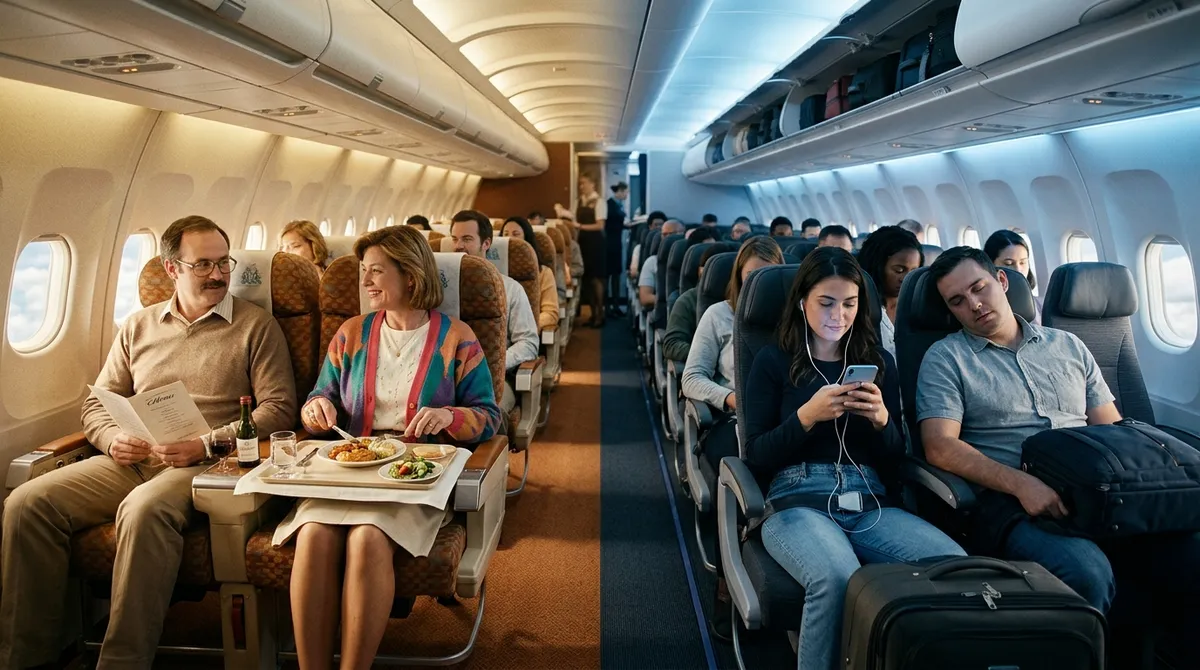
According to aviation industry analysis, several key differences distinguished 1980s air travel from today's experience. Free meals were standard across most flights, a stark contrast to today's pay-for-food model on domestic routes. Passengers enjoyed significantly more legroom, with seat pitch measurements that would be considered premium by current standards.
Perhaps most jarring to modern sensibilities, smoking sections were not only permitted but commonplace on flights throughout the decade. This practice, which would be unthinkable today, represented one of the most dramatic shifts in airline policy over the past four decades.
Cabin layouts themselves told a different story, with airlines prioritizing passenger comfort over maximizing seat count—a business model that has been completely reversed in the modern era.
The Deregulation Factor
The transformation of air travel didn't happen overnight. Reports indicate that airline deregulation and the subsequent rise of budget carriers played crucial roles in reshaping the industry. These changes fundamentally altered how airlines approached pricing, service, and passenger amenities.
The exact timeline of when each major change occurred provides insight into the gradual erosion of what many consider the "golden age" perks. From the elimination of complimentary meals to the introduction of baggage fees, each shift represented airlines' efforts to remain competitive in an increasingly price-sensitive market.
Debunking the Nostalgia: What Was Actually Worse
While 1980s flights offered certain advantages, according to reports, the era wasn't without significant drawbacks that modern nostalgia tends to overlook. The smoking sections created health and comfort issues that affected all passengers, not just non-smokers. Safety standards, while adequate for the time, have improved dramatically with modern technology and regulations.
Ticket prices, when adjusted for inflation, were often significantly higher than today's fares, making air travel less accessible to average consumers. The trade-off between affordability and amenities represents one of the most complex aspects of aviation's evolution.
Visual Evidence of Change
Before-and-after comparisons of cabin layouts reveal the stark differences between eras. Modern aircraft configurations prioritize efficiency and passenger volume, while 1980s layouts emphasized space and comfort. These visual contrasts help illustrate why the decade holds such appeal for travelers frustrated with current conditions.
Seat pitch measurements—the distance between seats—show a measurable decline over the decades, with airlines consistently reducing space to accommodate more passengers per flight.
Cultural Impact and Modern Reactions
The nostalgia for 1980s flying has become culturally resonant as modern air travel frustrations mount. According to reports, this sentiment resonates particularly strongly with travelers who experienced both eras, as well as younger passengers who view vintage airline footage with amazement at the stark differences.
The contrast between expectation and reality in modern air travel has made the 1980s experience seem increasingly appealing by comparison, even as objective analysis reveals both positive and negative aspects of each era.
The Broader Context of Change
The transformation of airline travel over four decades reflects broader economic and social changes. The shift from a regulated, service-focused industry to a deregulated, price-competitive market fundamentally altered the relationship between airlines and passengers.
While some changes represent clear improvements—particularly in safety and accessibility—others highlight the trade-offs inherent in making air travel a mass-market commodity rather than a premium service.
Understanding what actually changed, rather than relying on nostalgic memories, provides valuable context for evaluating both the benefits and drawbacks of modern air travel compared to the 1980s experience.