
Travel Resilience in Uncertain Times
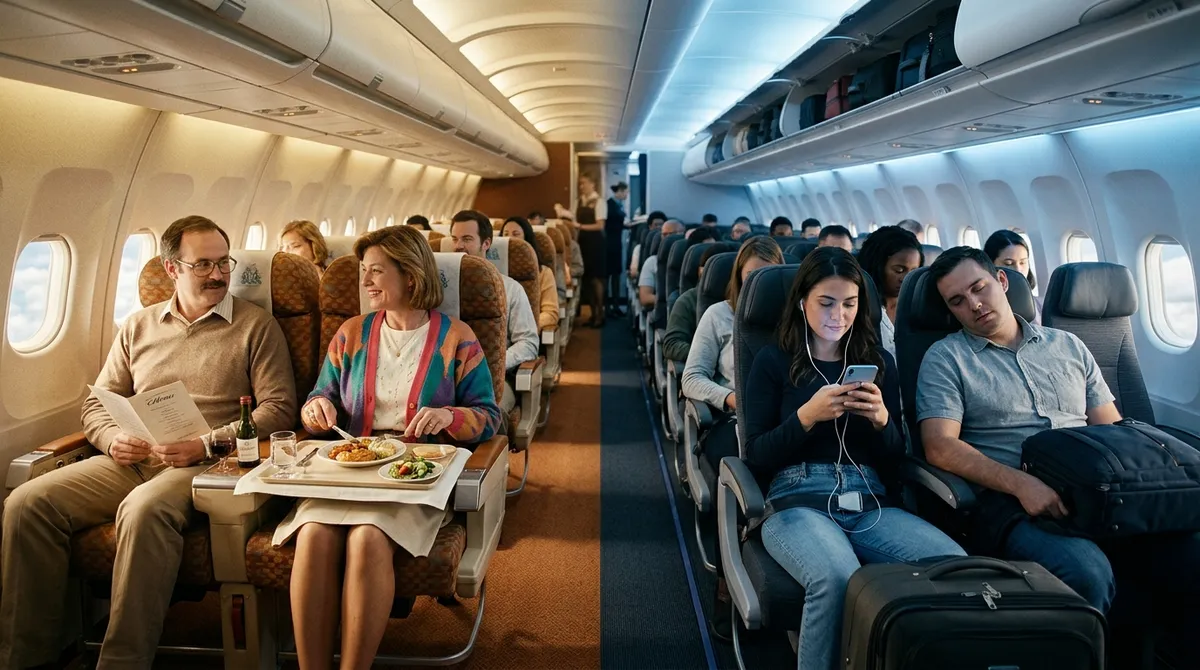
Memorial Day is launching what's expected to be a record U.S. travel season, according to reports, even as travelers navigate a complex landscape of global challenges. War, inflation, fuel price spikes, health outbreaks, and geopolitical tension have created what many might consider ideal conditions for staying home. Yet travel demand remains remarkably strong.
The data reveals an interesting pattern: rather than canceling trips entirely, travelers are adapting by adjusting their destinations. This shift suggests a fundamental resilience in travel demand, even when faced with significant economic and political headwinds.
Where Travelers Are Heading Instead
According to reports, demand is shifting toward several key destinations that are seeing increased interest. Scotland and the broader U.K. are experiencing strong bookings, as are Asian destinations including Japan and South Korea. For domestic travelers, Alaska is emerging as a popular choice.
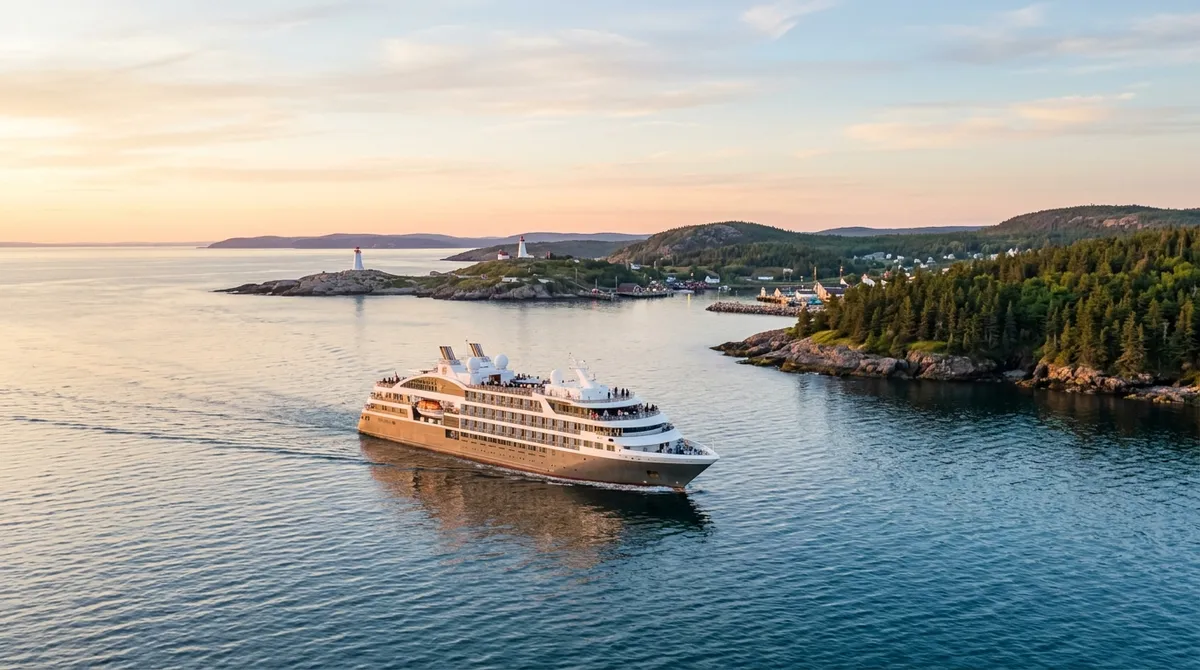
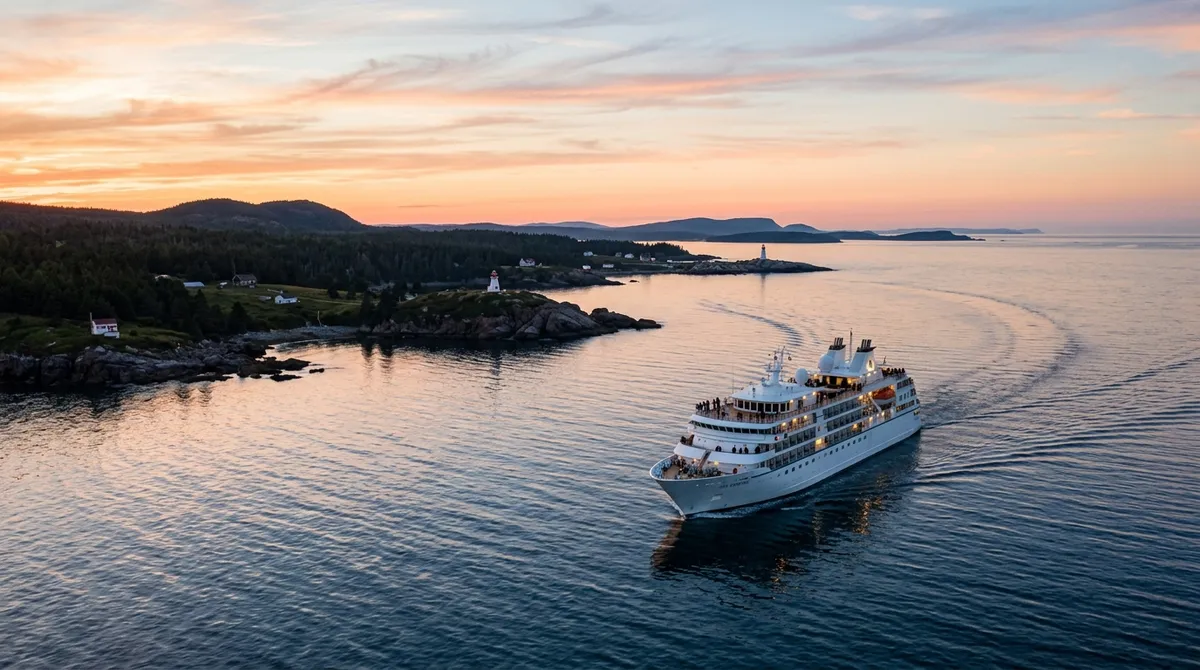
European destinations are also seeing shifts, with Lake Como and Austria drawing significant interest. Perhaps most notably, cruise travel is experiencing renewed demand as travelers seek vacation options that may offer better value in the current economic climate.
Luxury Travel Holds Strong
One of the most surprising trends is the resilience of luxury travel, according to industry reports. Despite economic uncertainty and rising costs across the board, luxury travelers appear largely undeterred by current global conditions. This segment continues to book high-end experiences, suggesting that affluent travelers view current challenges as temporary rather than long-term deterrents.
This trend indicates that while budget-conscious travelers may be adjusting their plans, those with greater financial flexibility are maintaining their travel priorities.
Rising Costs Don't Deter Bookings
Despite increases in airfare and fuel costs, travelers are moving forward with their summer plans. The persistence of travel demand in the face of these price pressures suggests that pent-up travel desires from previous years continue to drive booking behavior.
This willingness to absorb higher costs may reflect both the accumulated savings from periods of reduced travel and the prioritization of experiences over material goods that many travelers adopted during recent global disruptions.
Unexpected Opportunities Emerge
One surprising development is weaker inbound travel to the United States, which could create unexpected opportunities for domestic travelers. Reports suggest this trend may result in last-minute openings and potentially better deals, particularly around World Cup-related travel.
Europe, while still popular, is showing some softening in demand compared to previous expectations. This shift could create opportunities for travelers willing to book closer to their departure dates.
Market Dynamics and Booking Patterns
The current travel landscape reflects a complex interplay of factors affecting booking patterns. Global uncertainty is influencing not just where people travel, but how and when they make their reservations. According to reports, this has created a more dynamic market where last-minute opportunities may be more common than in typical years.
Cruise travel's emergence as a popular option may reflect travelers' desire for predictable pricing and included amenities during a time when individual trip components face price volatility.
Looking Ahead
The Memorial Day launch of summer travel season comes at a unique moment in travel history. While challenges persist globally, the industry appears to be demonstrating remarkable adaptability. Travelers are showing they're willing to adjust their plans rather than abandon them entirely.
For those still planning summer travel, the current market suggests flexibility in destination choice and timing could yield both unique experiences and potential savings. The combination of strong overall demand with shifting destination preferences is creating a travel landscape where traditional patterns may not apply.
As the summer season progresses, these trends will likely continue evolving, with traveler preferences adapting to both global conditions and emerging opportunities in real-time.