
Resilient Travelers Adapt Rather Than Cancel
As Memorial Day launches what's expected to be a record U.S. travel season, one thing has become clear: travelers aren't letting global uncertainty keep them home this summer. Despite facing a perfect storm of challenges including ongoing conflicts, inflation, rising fuel prices, health outbreaks, and geopolitical tensions, summer travel demand remains remarkably strong.
Rather than canceling their plans entirely, travelers are adapting by adjusting their destinations and travel patterns. This shift represents a fundamental change in how people approach vacation planning in an uncertain world.
Where Travelers Are Heading Instead
According to reports, demand has shifted toward several key destinations that are seeing increased interest this summer. Scotland and the broader U.K. are experiencing strong booking patterns, as travelers seek alternatives to traditional European hotspots.
In Asia, Japan and South Korea have emerged as popular choices, offering unique cultural experiences and perceived stability. Closer to home, Alaska is seeing increased demand as travelers look for domestic alternatives that still provide adventure and escape.
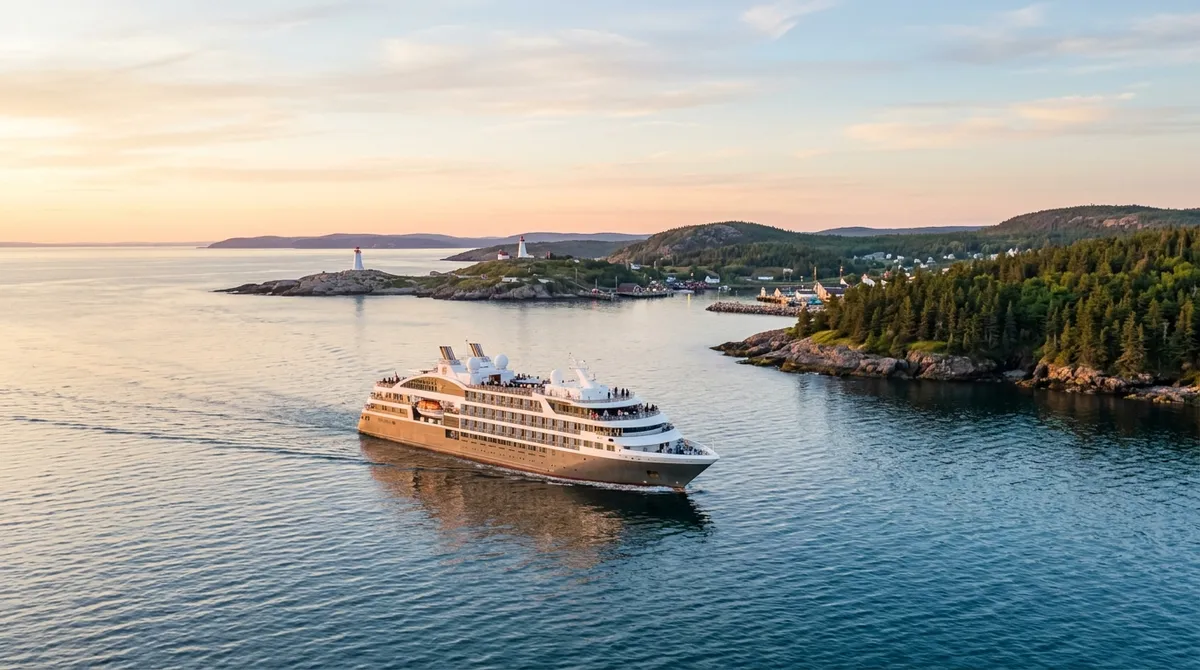
European destinations like Lake Como and Austria are also attracting visitors, while cruise travel is experiencing renewed interest as an all-inclusive option that simplifies planning in uncertain times.
Luxury Travel Proves Most Resilient
One of the most surprising trends is the resilience of luxury travel, which appears largely unaffected by global economic pressures. High-end travelers continue to book premium experiences, suggesting that those with means are prioritizing travel despite rising costs.
This luxury segment's stability contrasts with broader market shifts and indicates that premium travel experiences remain a priority for affluent consumers even during challenging times.
Unexpected Opportunities Emerging
While many destinations are seeing strong demand, some surprising patterns are creating new opportunities for savvy travelers. Reports suggest that inbound travel to the United States is weaker than expected, which could potentially create last-minute availability and deals.
This softening of U.S. inbound travel may be particularly noticeable around World Cup-related travel periods, where reduced international visitor numbers could translate into unexpected bargains for domestic travelers or those willing to book last-minute trips.
Rising Costs Haven't Deterred Bookings
Despite increases in both airfare and fuel costs, travelers continue to move forward with summer plans. This persistence suggests that pent-up travel demand from previous years remains strong enough to overcome price sensitivity for many consumers.
The combination of higher travel costs and shifting destination preferences is reshaping the summer travel landscape, but it hasn't dampened overall enthusiasm for taking trips.
Europe Sees Mixed Demand Patterns
While some European destinations like Austria and Lake Como continue to attract visitors, reports indicate that overall European demand may be softening compared to previous expectations. This shift could be related to ongoing regional tensions or simply reflect travelers' desires to explore less traditional destinations.
The softening European demand contrasts with the strength seen in other regions and cruise travel, highlighting how travelers are diversifying their destination choices rather than avoiding travel altogether.
Planning Strategies for Uncertain Times
For travelers navigating this complex landscape, the key appears to be flexibility and timing. Those willing to adjust their destination preferences may find better availability and potentially better value.
Cruise options are emerging as particularly attractive for travelers who want predictable pricing and simplified logistics during uncertain times. These all-inclusive experiences reduce the variables that can complicate international travel planning.
As the summer travel season progresses, these patterns suggest that while the travel industry faces significant challenges, consumer demand remains robust enough to drive a successful season—just with different destinations and booking patterns than originally anticipated.