
Record Travel Season Launches Despite Uncertainty
Memorial Day marks the beginning of what's expected to be a record U.S. travel season, according to reports, even as travelers navigate a complex landscape of rising costs and global uncertainty. Despite war, inflation, fuel prices, health outbreaks, and geopolitical tension creating reasons for concern, summer travel demand remains remarkably strong.
Rather than staying home, travelers are adapting by adjusting their destination choices rather than canceling their plans entirely. This resilience in travel demand comes as both airfare and fuel costs continue to rise, creating new booking patterns across the industry.
Luxury Travel Shows Particular Resilience
One of the most notable trends is the strength of luxury travel, which appears to be weathering current challenges better than other segments. According to reports, luxury travelers aren't pulling back on their plans, suggesting that higher-income demographics remain committed to their travel experiences despite economic headwinds.
This resilience in the luxury segment may indicate that travelers are prioritizing experiences over material goods, or that those with greater disposable income are less affected by current cost increases.
Shifting Destination Preferences
The global uncertainty has led to notable shifts in where travelers are choosing to go. According to reports, demand is moving toward destinations like Scotland, the U.K., Japan, South Korea, and Alaska. These locations appear to be benefiting from travelers seeking alternatives to traditional hotspots.
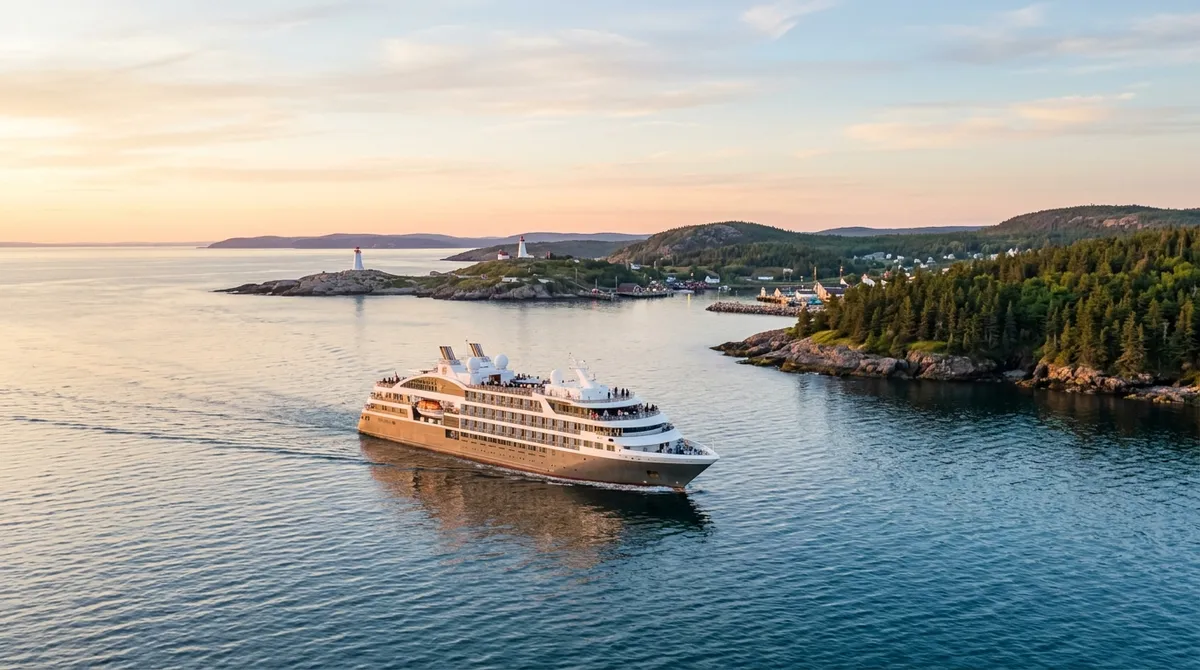
Lake Como and Austria are also seeing increased interest, suggesting that travelers are gravitating toward destinations perceived as stable and accessible. Additionally, cruise travel is experiencing strong demand, potentially offering travelers a controlled environment that feels safer during uncertain times.
European Demand Shows Signs of Softening
While some destinations are gaining popularity, reports indicate that demand for Europe is softening compared to previous expectations. This shift could create opportunities for travelers looking for deals, particularly in cruise options that may offer better value as operators adjust to changing demand patterns.
The softening European demand contrasts sharply with the strong interest in destinations like Japan and South Korea, suggesting travelers are diversifying their geographic preferences beyond traditional Western European destinations.
Surprising Weakness in U.S. Inbound Travel
Perhaps the most unexpected development is the reported weakness in inbound travel to the United States. This trend could potentially create last-minute opportunities for domestic travelers, particularly around events like World Cup-related travel where international visitor shortfalls might lead to available accommodations and experiences.
The reduced international visitor numbers could translate into deals for U.S. travelers who can take advantage of capacity that was expected to be filled by foreign tourists.
Opportunities for Savvy Travelers
The current landscape presents unique opportunities for flexible travelers. With demand shifting between destinations and some softening in traditional hotspots, there may be last-minute openings and deals available for those willing to adjust their plans.
Travelers who can be flexible with their destinations might find better availability and pricing in locations that aren't experiencing the surge in demand seen in places like Scotland or Japan. The key appears to be understanding where demand is shifting and being willing to explore alternatives to originally planned destinations.
Planning Strategies for Summer Travel
For travelers still making summer plans, the current environment suggests several strategic approaches. Those interested in trending destinations like Japan, South Korea, or Scotland should book sooner rather than later, as demand appears strong for these locations.
Conversely, travelers interested in European destinations or cruise options might benefit from waiting for potential deals as demand patterns continue to evolve. The weakness in U.S. inbound travel could also create domestic opportunities that weren't previously available.
As the summer travel season unfolds, the resilience of traveler demand despite significant global challenges demonstrates the enduring importance of travel experiences in people's lives, even when circumstances require adaptation and flexibility in planning.