Hidden Dangers in Hotel Refrigerators
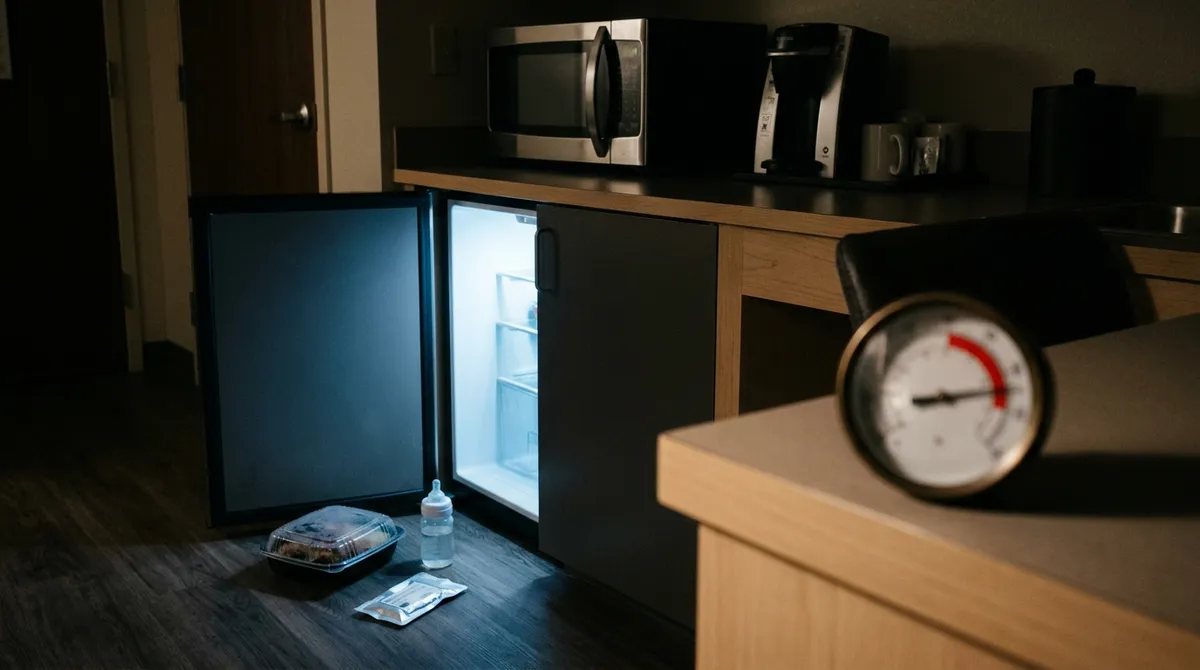
That mini fridge in your hotel room might not be keeping your food as safe as you think. According to experts, many hotel "refrigerators" are actually beverage coolers that only maintain temperatures between 50-60°F—well above the food-safe threshold of 40°F required to prevent dangerous bacterial growth.
This temperature difference creates significant health risks for travelers storing leftovers, medications, breast milk, and other temperature-sensitive items during their stays.
Understanding the Temperature Danger Zone
Food safety experts emphasize the importance of the "temperature danger zone"—the range between 40°F and 140°F where harmful bacteria multiply rapidly. When hotel mini fridges fail to maintain proper refrigeration temperatures, they leave stored food vulnerable to bacterial contamination.
The two-hour rule, which limits how long perishable foods can safely remain at room temperature, becomes even more critical in hotel rooms where apparent refrigeration may provide a false sense of security.
How to Identify a Real Refrigerator vs. Beverage Cooler
Experts recommend several methods to determine whether your hotel mini fridge provides adequate cooling:
The Glass-Front Test: Beverage coolers often feature transparent fronts designed to display drinks, while true refrigerators typically have solid doors for better insulation.
Listen for the Compressor: Real refrigerators use compressor systems that cycle on and off with audible clicks and humming sounds. Beverage coolers may use less effective cooling methods.
Check the Temperature: If possible, use a thermometer to verify the internal temperature reaches and maintains 40°F or below.
What's Safe to Store in Beverage Coolers
While beverage coolers aren't suitable for perishable foods, they can safely store certain items that benefit from cool temperatures without requiring full refrigeration:
- Pickles and other preserved foods
- Beef jerky and dried snacks
- Crackers and nuts
- Beverages and sealed drinks
Items to Avoid Storing
Experts strongly advise against storing these items in beverage coolers:
- Cooked leftovers from restaurants
- Dairy products including milk and cheese
- Fresh or cooked meat and poultry
- Prepared foods requiring refrigeration
- Certain medications requiring cold storage
Travel Preparation Strategies
Savvy travelers can take proactive steps to ensure food safety during their trips:
Pre-Booking Research: Contact hotels directly to inquire about the type of refrigeration units in their rooms. Request a room with a proper refrigerator if food storage is essential.
DIY Cooling Solutions: For travelers stuck with beverage coolers, the ice-bag swap method can provide temporary cooling. Replace melted ice regularly to maintain lower temperatures for critical items.
Pack Smart: Choose non-perishable snacks and sealed beverages that don't require true refrigeration.
Why This Matters More Than Ever
With travel booming in the post-pandemic era, more families are staying in hotels and storing food, breast milk, and medications in their rooms. This makes understanding hotel fridge limitations a timely safety issue that affects health-conscious travelers and families with specific dietary or medical needs.
The rise in extended stays and vacation rentals has also increased travelers' reliance on in-room food storage, making proper refrigeration knowledge essential for trip planning.
Taking Action During Your Stay
If you discover your hotel mini fridge is inadequately cooling your items:
- Request a room change to one with proper refrigeration
- Ask hotel staff about alternative cold storage options
- Dispose of any perishable items that may have been compromised
- Consider purchasing a small cooler with ice for critical items
Before your next hotel stay, this hidden hazard serves as a reminder to verify your room's refrigeration capabilities and plan accordingly for food safety.