
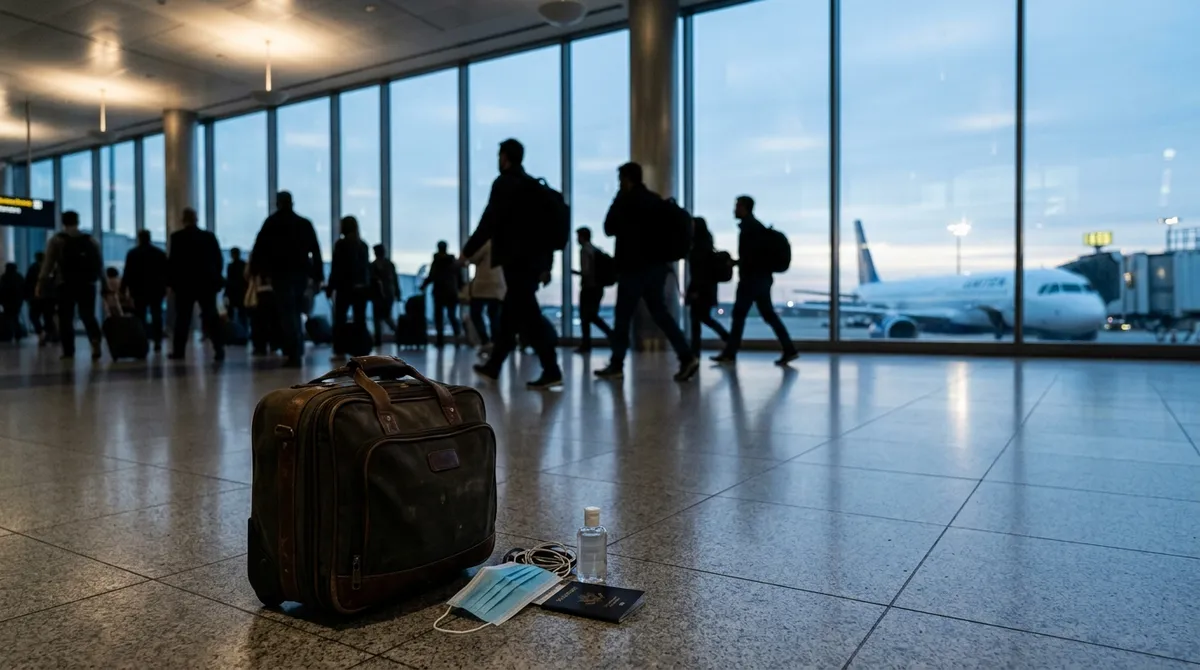
Growing Health Risks Meet Peak Travel Season
As summer travel season ramps up with millions of Americans planning international trips, a concerning convergence of factors is reshaping travel health considerations. Recent outbreaks of infectious diseases including hantavirus, Ebola, measles, and dengue fever are making headlines just as travelers prepare for peak vacation season.
According to reports, modern international travel has accelerated the spread of infectious diseases globally, with these recent outbreaks serving as evidence of how quickly health threats can cross borders in our interconnected world.
CDC Workforce Cuts Compound Challenges
Adding to these concerns, the U.S. is cutting CDC workforce by 25%, according to reports. This reduction weakens the infrastructure responsible for detecting and containing disease outbreaks, making personal and collective preparedness more critical than ever for travelers.
The timing of these cuts during peak travel season highlights the growing importance of individual traveler responsibility in maintaining public health safety while abroad.
Essential Pre-Travel Health Preparation
Health experts emphasize that modern travelers must adopt comprehensive public health practices before departure. According to reports, essential pre-travel preparation should include:
Vaccination and Medical Updates: Ensuring all routine vaccinations are current and researching destination-specific health requirements well in advance of travel dates.
Travel Advisory Research: Monitoring current health advisories for planned destinations and understanding local disease surveillance situations.
Medication and Healthcare Planning: Preparing necessary medications and researching healthcare infrastructure and quality at travel destinations.
Staying Healthy During Travel
Once traveling, reports suggest several key strategies for maintaining health and preventing disease transmission:
Airport and Transit Hygiene: Implementing thorough hand hygiene practices in airports and other transit hubs where disease transmission risks are elevated.
Strategic Masking: Using appropriate masking strategies in crowded or high-risk environments, particularly during air travel.
Symptom Awareness: Understanding how to recognize illness symptoms and taking responsibility to avoid spreading potential infections to other travelers or local populations.
Public Health as Shared Responsibility
According to reports, the current situation calls for framing public health as a shared responsibility rather than an individual concern. This approach moves beyond fear-based messaging to empower travelers with practical, actionable knowledge they can implement before and during their trips.
Travel health literacy is emerging as a modern skill, with reports suggesting that normalizing public health awareness should become part of responsible tourism practices.
Global Health Interconnectedness
The reality of modern travel means that disease outbreaks anywhere can affect travelers everywhere, according to reports. This interconnectedness requires travelers to understand that their health decisions impact not only their own safety but also the well-being of communities they visit and fellow travelers.
As international travel continues to surge, the combination of active disease outbreaks and reduced CDC capacity for outbreak detection and containment creates a new landscape for travel health considerations.
Moving Forward with Informed Travel
Rather than avoiding travel entirely, reports suggest that the solution lies in better preparation and awareness. Understanding disease surveillance systems, staying informed about global health developments, and maintaining robust personal health practices can help travelers navigate this changing environment safely.
The current situation underscores that modern travel requires more than passport and flight arrangements—it demands active engagement with public health practices that protect both individual travelers and global communities.
As summer travel season peaks, the convergence of infectious disease outbreaks and reduced public health infrastructure capacity makes traveler education and preparation more crucial than ever for maintaining safe international travel.