Revolutionary Airport Experience Launches in Massachusetts
Boston Logan International Airport is pioneering a groundbreaking approach to airport congestion with the launch of what's being called a "remote terminal" located in Framingham, Massachusetts. This first-of-its-kind facility allows Delta and JetBlue passengers to complete their entire pre-flight process—including check-in, baggage drop, and TSA security screening—approximately 20 miles away from the actual airport.
According to reports, passengers using this innovative system can clear all security protocols at the remote location before boarding a bus that transports them directly to the airside area of Boston Logan, bypassing traditional terminal congestion entirely.
How the Remote Terminal Works
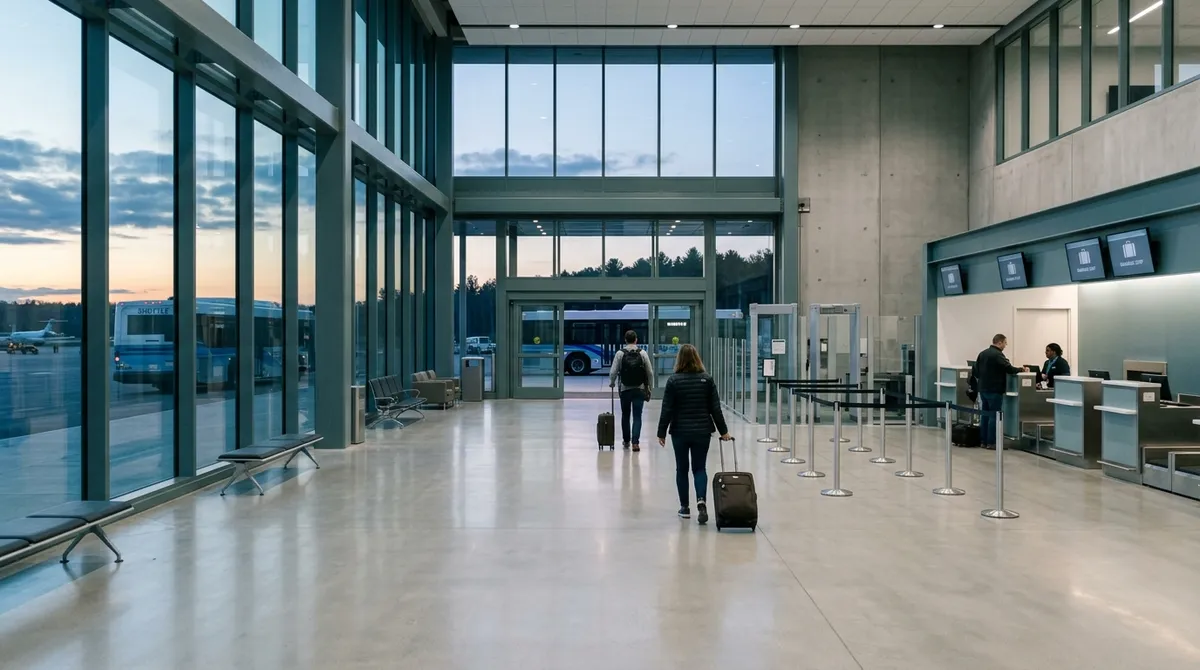
The Framingham facility functions as a miniaturized version of a traditional airport terminal, equipped with all the essential services travelers need before boarding their flights. Passengers can check in for their Delta or JetBlue flights, drop off their luggage, and proceed through full TSA security screening at this off-site location.
Once these processes are complete, travelers board a dedicated bus service that provides direct, airside transportation to Boston Logan International Airport. This system essentially allows passengers to arrive at their departure gate without ever setting foot in Logan's main terminal buildings.
Addressing Summer Travel Pressures
The timing of this pilot program coincides with the ramping up of summer travel season, when airports nationwide face increased pressure to manage longer lines, reduce traffic congestion, and enhance the overall passenger experience. According to reports, airports are actively seeking solutions to these persistent challenges that plague busy travel periods.
The remote terminal concept represents a potential solution to multiple pain points simultaneously: it could reduce crowding at the main airport facility, decrease traffic around Logan's terminals, and provide passengers with a potentially more streamlined travel experience.
Comparing Options for Travelers
For frequent Boston-area travelers, this remote terminal adds another option to existing services like the Logan Express bus system. However, the key difference lies in the comprehensive nature of the remote terminal experience—passengers can complete their entire pre-flight routine off-site rather than simply using alternative transportation to reach the airport.
The question for travelers becomes whether the convenience of clearing security and checking bags in Framingham outweighs the additional logistics of traveling to an off-site location before ultimately reaching their departure gate.
Implications for the Future of Air Travel
If the Boston Logan pilot program proves successful, according to reports, this remote terminal model could serve as a blueprint for other U.S. airports grappling with similar congestion and capacity challenges. The concept represents a significant shift in thinking about airport infrastructure and passenger flow management.
Other airports experimenting with off-site terminals and multimodal travel solutions will likely monitor the results of Boston's initiative closely. The integration of remote processing with direct airside transportation could become a template for urban airports facing space constraints and growing passenger volumes.
Questions and Considerations
While the remote terminal concept shows promise, reports indicate that several questions remain about the model's scalability and long-term viability. Factors such as operational costs, passenger adoption rates, timing logistics, and coordination between multiple transportation modes will likely influence whether this approach can be successfully replicated at other airports.
For now, Delta and JetBlue passengers traveling through Boston Logan have the opportunity to test this innovative approach firsthand, potentially providing valuable feedback that could shape the future of airport operations across the country.
As summer travel season intensifies, the remote terminal pilot program offers a real-world test case for whether off-site processing can meaningfully improve the airport experience while addressing the persistent challenges of congestion and capacity limitations.