Spain is reshaping its tourism identity with a stronger focus on sustainability, cleaner mobility, and better destination management. Long known for its cultural landmarks, lively cities, and sunny coastlines, the country is now placing greener travel at the center of its visitor experience. Madrid and several coastal destinations are leading this shift by improving public transport, protecting natural spaces, reducing emissions, and encouraging travelers to explore with a lighter footprint.
Spain Moves Toward a Greener Tourism Model
Tourism remains one of Spain's most important economic engines. Millions of international visitors arrive each year for art, food, beaches, architecture, festivals, and historic towns. That success also brings pressure. Popular districts can become overcrowded, coastlines need careful protection, and cities must manage transport demand without worsening air quality.
In response, Spain is investing in a more balanced tourism future. The goal is not only to attract travelers, but to make each trip more responsible. Cities are promoting low-emission transport, hotels are adopting energy-saving systems, and regional authorities are giving more attention to water use, waste reduction, and conservation.
This approach is especially important as travelers become more climate aware. Many visitors now search for destinations with efficient public transit, walkable neighborhoods, local food, protected nature, and authentic community experiences. Spain is adapting quickly to these expectations.
Madrid Becomes a Showcase for Urban Sustainable Travel
Madrid is a strong example of how a major European capital can modernize tourism without losing its character. The city combines world-class museums, royal landmarks, parks, markets, and nightlife with practical green travel options. Visitors can enjoy a full city break without depending on private cars.
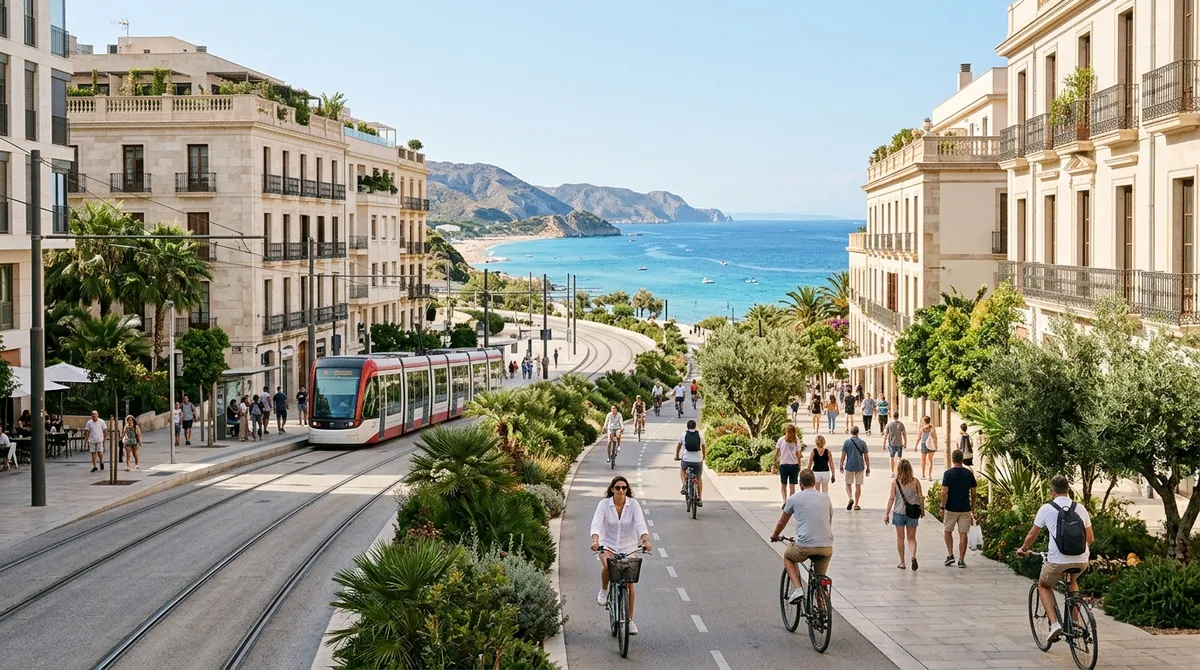
The Spanish capital has expanded cleaner mobility through metro access, electric and low-emission buses, pedestrian-friendly streets, and bike-sharing services. Madrid's public transport network makes it easy to reach major attractions such as the Prado Museum, the Royal Palace, Gran Vía, Retiro Park, and the city center's historic squares.
Low-emission zones and traffic reduction measures also support cleaner air in busy areas. For tourists, this means more comfortable walking routes, less congestion, and a better experience in central neighborhoods. It also helps residents, which is essential for long-term sustainable tourism.
Green Spaces Add Balance to the Capital
Madrid's parks are central to its sustainable travel appeal. Retiro Park offers shaded paths, gardens, fountains, and cultural spaces close to the city's museum district. Madrid Río, developed along the Manzanares River, has transformed former traffic-heavy areas into recreational space for cyclists, families, runners, and visitors.
These green corridors do more than beautify the city. They create cooler public spaces, encourage outdoor activity, and spread visitor movement beyond the most crowded streets. For travelers, they provide a slower and more local way to experience Madrid.
Food tourism also supports the city's greener direction. Markets, neighborhood restaurants, and seasonal menus connect visitors with regional products. When travelers choose local businesses, more tourism revenue stays within the community.
Rail Travel Strengthens Spain's Low-Carbon Tourism Network
Spain's high-speed rail system plays a major role in its sustainable travel makeover. Trains connect Madrid with cities such as Barcelona, Valencia, Seville, Málaga, and Alicante. This gives travelers a lower-carbon alternative to short domestic flights or long car journeys.
For international tourists planning multi-city itineraries, rail travel adds convenience and sustainability. A visitor can arrive in Madrid, continue to coastal Valencia, explore Andalusia, and return without renting a vehicle. Stations are usually close to city centers, which reduces additional transfers and saves time.
Better rail connectivity also helps distribute tourism demand. Instead of concentrating only in a few famous places, visitors can add smaller cities and regional destinations to their routes. This supports local economies and reduces pressure on heavily visited hotspots.
Coastal Cities Lead the Blue and Green Transition
Spain's coastline is one of its greatest tourism assets. From the Mediterranean to the Atlantic, beaches and port cities attract travelers looking for sun, seafood, sailing, culture, and relaxation. Yet coastal tourism must address rising environmental risks, including water scarcity, marine pollution, habitat loss, and seasonal overcrowding.
Many coastal destinations are responding with stronger sustainability policies. These include cleaner beach management, improved recycling, water-saving systems, restored natural areas, and better public transport links. The result is a more thoughtful seaside experience that protects the places visitors come to enjoy.
Barcelona Focuses on Smarter Visitor Management
Barcelona has become one of Europe's best-known urban coastal destinations. Its popularity has created challenges, especially in central areas and near iconic attractions. To improve quality of life and visitor flow, the city has promoted measures that encourage movement beyond the busiest sites.
Neighborhood-based tourism, cycling routes, pedestrian improvements, and public transit access give travelers more ways to explore responsibly. Visitors can combine Gaudí architecture, beaches, markets, museums, and local districts without relying on traffic-heavy transport.
Barcelona's sustainability conversation also includes the cruise sector, waste management, and pressure on housing. These issues are complex, but they show why responsible tourism requires planning, regulation, and cooperation between residents, businesses, and travelers.
Valencia Builds a Nature-Focused City Break
Valencia has gained attention as a green city destination with strong outdoor appeal. Its long Turia Garden, created in a former riverbed, cuts through the city with walking paths, cycle lanes, sports areas, gardens, and cultural landmarks. It connects urban life with open space in a way that feels natural and accessible.
The city also offers beaches, historic neighborhoods, futuristic architecture, and nearby nature. The Albufera wetlands, located just outside Valencia, add an important ecological dimension. Visitors can experience rice fields, birdlife, boat trips, and traditional food while learning about protected landscapes.
Valencia's cycling infrastructure, public transport, and emphasis on local gastronomy make it a strong choice for travelers seeking a lower-impact Mediterranean escape. It shows that a beach city can offer more than sun and sand.
Málaga and the Costa del Sol Adapt to Modern Expectations
Málaga has evolved from a gateway to the Costa del Sol into a cultural city break destination. Museums, restored streets, a revitalized port, and improved public spaces have helped the city diversify its tourism offer. This matters because sustainable tourism depends on spreading demand across seasons and activities.
Coastal towns along southern Spain are also focusing more on efficient resource use. Water conservation is especially important in regions affected by drought. Hotels, restaurants, golf resorts, and municipalities face growing pressure to manage consumption carefully while maintaining visitor services.
Beach maintenance, protected marine areas, and better waste systems are becoming part of the tourism conversation. Travelers can support these efforts by choosing certified accommodations, reducing plastic use, respecting dunes, and using public transport where possible.
Hotels and Tourism Businesses Embrace Responsible Practices
Spain's hospitality sector is increasingly adopting sustainability measures. Many hotels now use energy-efficient lighting, smart climate control, refillable toiletries, waste separation, water-saving fixtures, and local sourcing. Some properties also invest in renewable energy or pursue environmental certifications.
Restaurants are part of the transformation as well. Seasonal ingredients, regional wines, local seafood, and traditional recipes help reduce supply chains while preserving culinary culture. In many destinations, food is one of the easiest ways for travelers to make more responsible choices.
Tour operators are also adapting. Walking tours, cycling experiences, small-group excursions, wildlife observation, agritourism, and heritage routes offer alternatives to high-impact travel. These experiences often create deeper connections between visitors and local communities.
How Travelers Can Support Spain's Green Tourism Shift
Responsible travel in Spain does not require complicated planning. Small decisions can make a meaningful difference. Visitors can select trains over domestic flights, use metro systems and buses, stay longer in fewer places, and travel outside peak months when possible.
Choosing locally owned hotels, restaurants, and guides helps spread tourism income. Respecting neighborhood life is equally important, especially in cities where residents share space with large numbers of visitors. Quiet behavior at night, proper waste disposal, and support for local rules all contribute to healthier tourism.
Beach travelers can protect coastal ecosystems by avoiding single-use plastics, staying off dunes, using reef-safe products where relevant, and following lifeguard and conservation guidance. Nature visitors should remain on marked trails and avoid disturbing wildlife.
A More Sustainable Future for Spanish Travel
Spain's sustainable travel makeover reflects a broader change in global tourism. Destinations can no longer rely only on visitor numbers. They must consider emissions, local wellbeing, natural resources, and cultural preservation. Madrid and coastal cities demonstrate how this shift can create better experiences for everyone.
The country's strength lies in its variety. Travelers can explore art-filled capitals, high-speed rail routes, Mediterranean beaches, Atlantic landscapes, culinary regions, and protected natural spaces. When these experiences are managed responsibly, Spain becomes more resilient and more rewarding.
For visitors, the message is clear. Spain remains vibrant, welcoming, and unforgettable. It is also becoming more conscious of how tourism affects its cities, coastlines, and communities. By choosing greener ways to explore, travelers can enjoy the country while helping protect its future.