
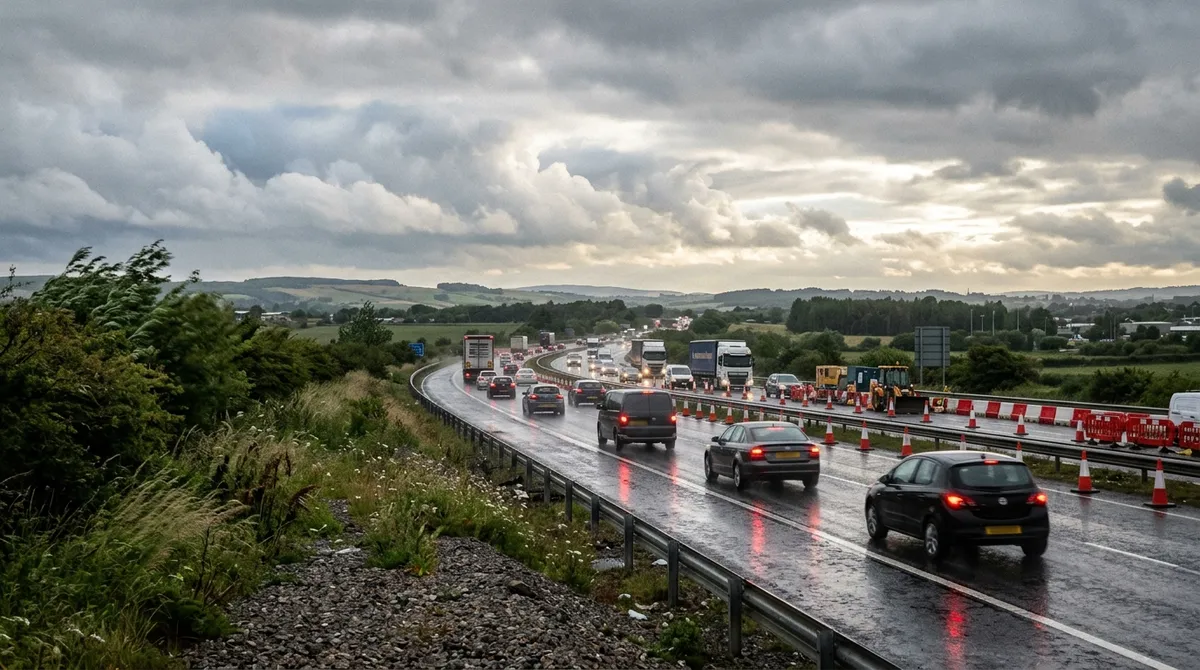
Visitors heading to the North East on May 14 should prepare for a travel day shaped by changing weather, busy routes, and planned roadworks. The region remains a rewarding destination, with coastlines, heritage cities, national parks, and cultural attractions all within reach. However, a smooth journey will depend on checking updates early, building flexibility into plans, and packing for sudden shifts in conditions.
Why May 14 Travel Needs Extra Planning
Mid-May often brings a mix of sunshine, cloud, showers, and cooler winds across the North East. That variety can affect road conditions, walking plans, outdoor events, and coastal visits. Even short trips can take longer when rain reduces visibility or when maintenance work closes lanes.
Roadworks are another key factor for visitors. Maintenance projects are common during spring because crews can work longer daylight hours. These repairs improve safety and road quality, but they may create diversions, slower traffic, and delays near popular routes.
Anyone travelling to cities, seaside towns, rural villages, or countryside attractions should treat May 14 as a day for careful preparation. A few simple checks can prevent stress and help visitors make the most of their time.
Check Roadworks Before Leaving
Before setting off, travellers should review live traffic information for the main roads on their route. Planned works may affect arrival times, especially during morning and evening peaks. Delays can also build near junctions, bridges, city approaches, and roads serving major visitor hotspots.
Drivers should check official traffic services, local council updates, and navigation apps. These tools can show lane closures, temporary speed limits, incidents, and suggested alternative routes. It is also wise to refresh information during rest stops, as conditions can change quickly.
If travelling by car, allow extra time between bookings. Restaurant reservations, attraction entries, train departures, and hotel check-ins can all be affected by delays. Adding a buffer of 30 to 60 minutes can make the day feel far more relaxed.
Plan Alternative Routes
A backup route is useful when roadworks cause congestion. However, visitors should avoid blindly following shortcuts through narrow rural lanes. These roads may be unsuitable for larger vehicles, and bad weather can make them harder to navigate.
Choose alternatives that use reliable roads wherever possible. If travelling to a remote site, download offline maps before leaving. Mobile coverage can weaken in countryside areas, valleys, and coastal stretches.
Prepare for Unpredictable North East Weather
The North East can experience several weather patterns in a single day. A bright morning may turn wet by lunchtime, while wind can make coastal areas feel colder than inland towns. Visitors should dress in layers and carry waterproof clothing.
A compact umbrella, a water-resistant jacket, and sturdy footwear are useful for city sightseeing and countryside walks. Families should also pack spare clothes for children, especially if plans include beaches, parks, or outdoor attractions.
Weather apps are helpful, but local conditions may vary by location. A forecast for Newcastle, Durham, or Sunderland may not match conditions along the coast or in upland areas. Check forecasts for the exact destination, not only the nearest large city.
Be Cautious in Rain and Wind
Rain can reduce grip on roads and create spray from larger vehicles. Drivers should slow down, increase following distances, and use headlights when visibility drops. Sudden gusts can also affect high-sided vehicles, cyclists, and motorcyclists.
Walkers should take extra care on wet paths, steps, and coastal trails. Muddy routes can become slippery after showers. If conditions worsen, it is better to adjust the plan than continue with a risky route.
Use Public Transport Where It Makes Sense
Public transport may help visitors avoid roadwork delays in city centres. Trains, buses, and local transport links can be convenient for reaching museums, shopping districts, sports venues, and historic sites. They can also reduce parking stress during busy periods.
However, travellers should still check service updates before departure. Weather, engineering work, and timetable changes may affect services. If using rail, confirm departure times and platform details. If travelling by bus, review route notices and allow time for traffic disruption.
Visitors staying in central locations may find it easier to combine walking, public transport, and taxis. This approach can be especially useful when visiting restaurants, galleries, theatres, or nightlife areas.
Book Ahead and Stay Flexible
May is a popular travel month because days are longer and attractions are active. Booking ahead can help secure entry to major sites, guided tours, accommodation, and dining. Still, flexible reservations are valuable when weather or transport conditions change.
Look for tickets that allow timed entry changes where possible. Choose restaurants with reasonable cancellation policies. If planning a day outdoors, identify an indoor alternative nearby. Museums, heritage centres, markets, galleries, and cafés can rescue an itinerary during heavy rain.
Families should also consider the pace of the day. Children and older travellers may need extra breaks if journeys take longer than expected. A practical schedule is better than an overloaded one.
Pack Smart for a Stress-Free Day
A small travel kit can make a major difference on May 14. Essentials include a phone charger, reusable water bottle, snacks, medications, travel documents, and payment cards. Drivers should also carry basic vehicle supplies, including screen wash and an emergency kit.
For outdoor activities, add sunscreen as well as rain gear. Spring sunshine can still be strong, especially near water or on exposed hills. Sunglasses, hats, and layered clothing will help travellers adapt throughout the day.
If visiting gardens, castles, coastal viewpoints, or walking trails, bring footwear suitable for uneven ground. Fashionable shoes may not cope well with wet grass, gravel, or cobbled streets.
Advice for Drivers Visiting the Region
Drivers should check vehicle condition before a longer journey. Tyres, lights, fuel levels, wipers, and brakes all matter in changeable weather. A quick inspection before departure can prevent inconvenient breakdowns.
Parking should also be planned in advance. Popular towns and attractions may have limited spaces, especially during school trips, events, or sunny periods. Check car park locations, opening hours, payment methods, and height restrictions before arrival.
Where temporary road layouts are in place, follow signs rather than relying only on navigation systems. Roadwork zones can change faster than digital maps update. Be patient with temporary signals and reduced speed limits, as they protect both drivers and workers.
Tips for Coastal, Rural, and City Visits
The North East offers very different travel experiences within a short distance. Coastal visitors should watch for wind, tide times, and exposed walking routes. Even scenic beaches can feel chilly when the breeze strengthens.
Rural travellers should plan fuel stops, food breaks, and restroom access. Services may be less frequent outside urban areas. If hiking or cycling, tell someone your route and expected return time.
City visitors should consider peak traffic near business districts, universities, hospitals, and event venues. Walking routes may be quicker than short taxi rides when central roads are busy. Comfortable shoes are essential for exploring historic streets and riverside areas.
How Businesses and Tour Operators Can Help Visitors
Hotels, attractions, and tour operators can improve the visitor experience by sharing practical travel advice. Updated arrival instructions, parking notes, weather reminders, and public transport links can reduce confusion. These details are especially useful for guests unfamiliar with the region.
Tour providers should monitor conditions and communicate changes early. If an outdoor activity must shift because of weather, clear guidance will help guests adjust. Good communication can turn a difficult travel day into a positive experience.
Final Thoughts for May 14 Travellers
The North East remains an excellent choice for a spring visit, even when roadworks and unsettled weather require extra care. The key is preparation. Check traffic before leaving, watch the forecast, pack for changing conditions, and keep plans flexible.
With sensible decisions and a patient approach, visitors can still enjoy the region's landscapes, culture, food, history, and coastline. A well-planned day will leave more time for discovery and less time dealing with avoidable disruption.