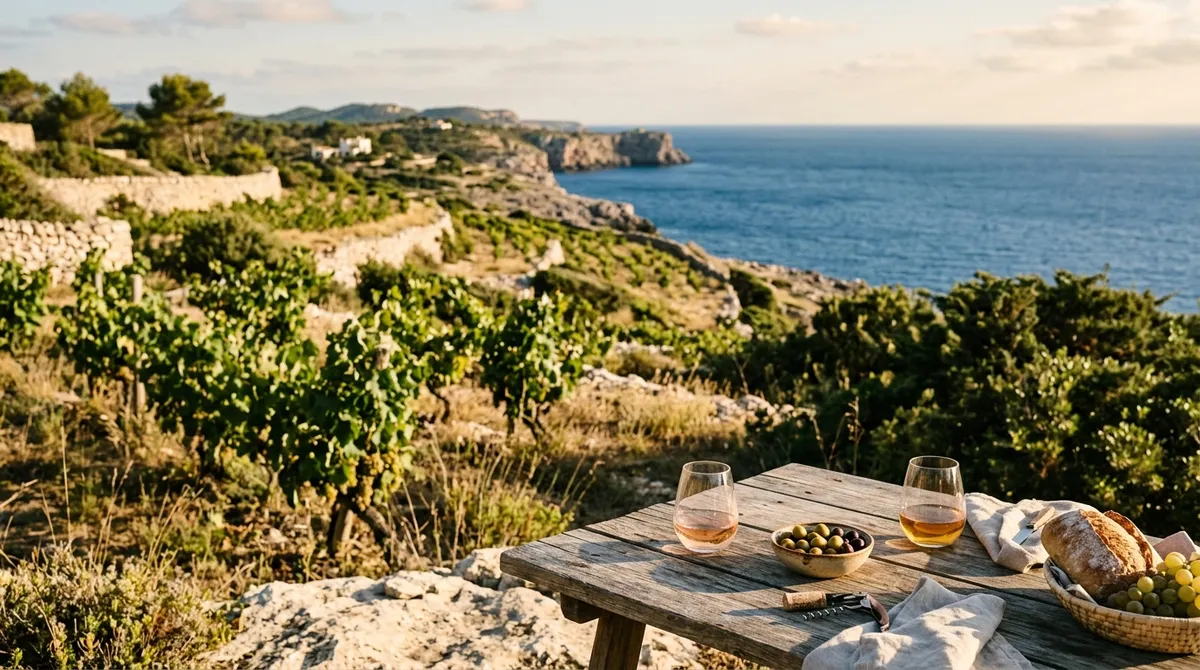
A Hidden Mediterranean Wine Gem
While travelers flock to established wine regions like Provence and Tuscany, the Balearic island of Menorca is quietly emerging as a compelling alternative for wine enthusiasts seeking authenticity without the crowds. According to reports, the island's boutique wine scene is gaining recognition as a quality-focused, small-scale destination that offers something increasingly rare in Mediterranean wine tourism: an undiscovered experience.
Menorca's appeal lies not just in its wines, but in its commitment to sustainable production within a protected Biosphere Reserve landscape. This positioning comes at an opportune time, as wine tourism and agritourism are experiencing significant growth following the pandemic, with travelers increasingly seeking authentic, lesser-known destinations over saturated hotspots.
From Ancient Roots to Modern Revival
The island's wine story spans centuries, beginning with ancient trade routes that established viticulture on Menorca. However, like many European wine regions, Menorca faced devastation when phylloxera struck, nearly destroying the island's wine production. What makes the modern story remarkable is how the island has recovered from this historical setback to embrace organic and sustainable practices.
Reports suggest that Menorca's wine renaissance has been shaped by an unlikely preservationist force: historical isolation. During Franco's rule, the island experienced what some describe as "accidental preservation," where political punishment inadvertently protected the landscape from overdevelopment. This isolation helped maintain the wild, rugged character that now defines Menorca's wine country.
Boutique Experiences Over Mass Tourism
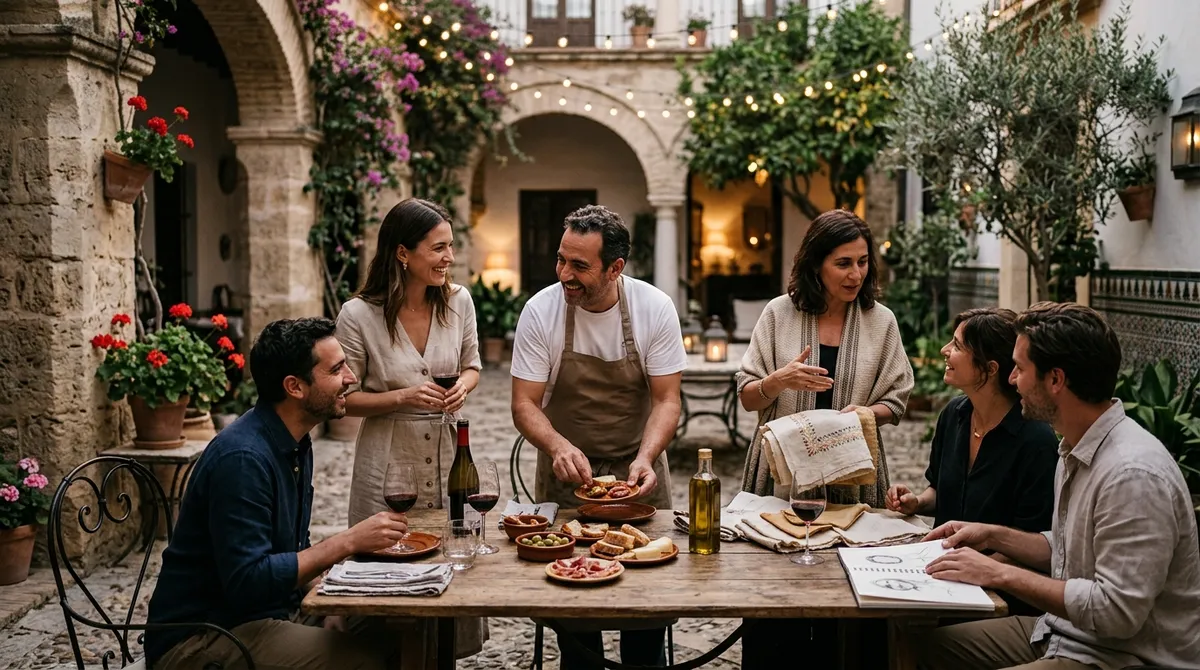
Today's Menorca wine scene deliberately emphasizes small-scale, intimate experiences. Contemporary producers are reportedly committed to sustainable, premium production methods that align with the island's Biosphere Reserve status. This approach creates opportunities for travelers to engage in genuine producer interactions, farm-to-table pairings, and educational experiences that mass wine tourism destinations struggle to provide.
The boutique approach extends beyond just smaller production volumes. According to reports, the focus on sustainability and preservation creates a different type of wine tourism—one where environmental consciousness meets culinary exploration. Visitors can experience wine education paired with stunning landscape visuals while supporting producers who prioritize quality over quantity.
Strategic Positioning for Wine Tourism
Menorca's wine industry appears to be strategically positioning itself as an alternative to more crowded Mediterranean wine destinations. Reports indicate that the island offers what many established regions have lost: authenticity, accessibility to producers, and an unspoiled natural setting. This positioning is particularly appealing to affluent travelers aged 25-34 who seek unique experiences and are willing to venture beyond mainstream destinations.
The island's commitment to boutique production means that wine tourism here focuses on intimate producer experiences rather than large-scale commercial operations. This creates opportunities for travelers to learn about winemaking processes, terroir, and sustainable practices in settings that larger wine regions can rarely match.
A Timely Alternative
As wine tourism continues to boom in the post-pandemic era, Menorca's emergence as a boutique destination addresses several trends shaping travel preferences. The desire for less crowded destinations, combined with growing interest in sustainable and authentic experiences, positions Menorca favorably against established competitors.
Reports suggest that the island's unique combination of historical wine heritage, modern sustainable practices, and protected natural environment creates a compelling narrative for wine tourism. Unlike regions struggling with overtourism, Menorca offers the space and authenticity that modern travelers increasingly value.
For travelers seeking to skip the crowds of Mallorca or the tourist-heavy wine routes of Provence and Tuscany, Menorca presents an opportunity to discover a wine scene that prioritizes quality, sustainability, and genuine cultural exchange. The island's wild, rugged character serves as both backdrop and metaphor for a wine industry that has chosen deliberate, sustainable growth over mass appeal.
As more travelers discover Menorca's boutique wine scene, the island's commitment to preservation and quality-focused production may serve as a model for sustainable wine tourism in other emerging destinations.