Caribbean Summer Travel Gains Momentum as Traditional Patterns Shift
While most travelers flock to the Caribbean during winter months, a growing number are discovering the advantages of visiting during summer. According to Kayak data, Caribbean summer searches have increased 15% year-over-year, signaling a significant shift in travel behavior as European destinations face overtourism and extreme heat.
Debunking the Hurricane Season Myth
Contrary to popular belief, summer Caribbean travel isn't as risky as many assume. Reports indicate that June, July, and early August represent safer windows for travel during hurricane season. Additionally, southern Caribbean islands like Aruba and Curaçao sit outside the traditional hurricane belt, offering peace of mind for summer visitors.
This strategic timing allows travelers to experience the Caribbean without the winter crowds while avoiding the peak storm activity that typically occurs later in the season.
Peak Season for Water Activities
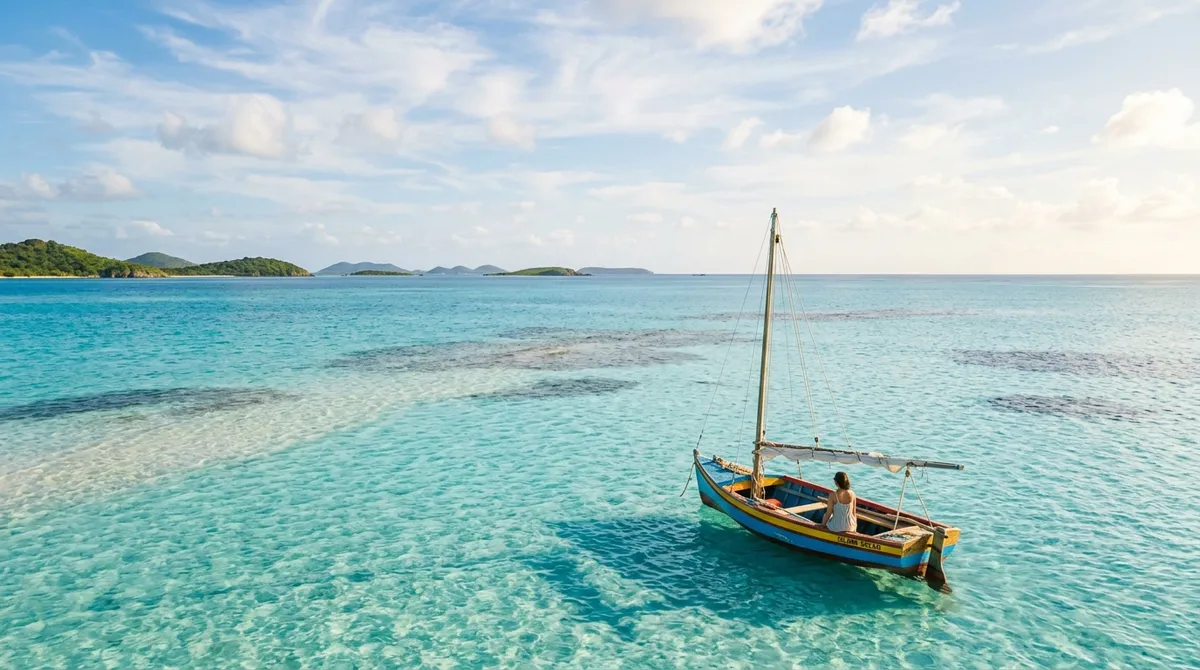
Summer presents ideal conditions for marine activities, according to reports. The season offers peak diving conditions with calm, warm seas that are perfect for snorkeling. Visitors can also witness unique natural phenomena, including turtle nesting season and bioluminescent kayaking opportunities that aren't available year-round.
The combination of settled weather patterns and optimal water temperatures creates perfect conditions for underwater exploration and beach activities.
Authentic Cultural Experiences
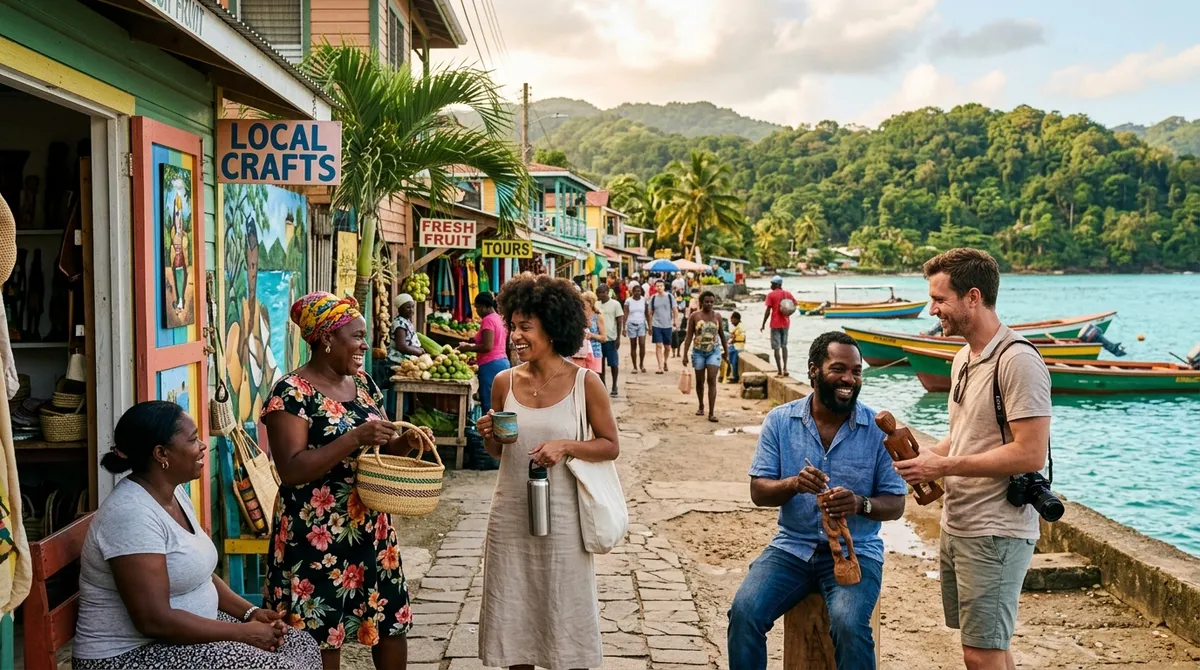
Summer coincides with vibrant festival season across the Caribbean islands. Reports highlight major cultural celebrations including Crop Over in Barbados and Goombay festivals in the Bahamas. These events showcase authentic local traditions without the overwhelming crowds that characterize winter tourism.
These festivals provide travelers with genuine cultural immersion opportunities, offering insights into Caribbean heritage and contemporary island life that aren't as accessible during peak tourist season.
The Value Proposition
The economic advantages of summer Caribbean travel are substantial, according to reports. Travelers benefit from significantly cheaper flights and hotel rates compared to winter peak season. The reduced tourist volume creates a more intimate island experience, allowing for better interaction with locals and easier access to popular attractions.
This combination of lower costs and fewer crowds appeals particularly to budget-conscious travelers and those seeking authentic experiences over tourist-heavy environments.
Climate Advantages Over European Alternatives
As European summer destinations struggle with extreme heat and overcrowding, the Caribbean offers a compelling alternative. Reports indicate that Caribbean trade winds and sea breezes provide more comfortable conditions than the intense heat affecting Mediterranean destinations.
This natural climate advantage, combined with less crowded beaches and attractions, positions the Caribbean as an attractive option for travelers seeking to escape both European weather extremes and tourist saturation.
Changing Travel Patterns
The 15% increase in summer Caribbean searches reflects broader changes in travel behavior. As traditional summer destinations become increasingly crowded and expensive, travelers are actively seeking alternatives that offer better value and more authentic experiences.
This trend suggests a fundamental shift away from conventional seasonal travel patterns, with smart travelers discovering the benefits of visiting popular destinations during traditionally quieter periods.
Looking Ahead
The growing interest in summer Caribbean travel represents a broader movement toward more strategic travel planning. By choosing off-peak seasons, travelers can access the same beautiful destinations with better value, fewer crowds, and unique seasonal experiences unavailable during traditional peak periods.
This shift toward summer Caribbean visits demonstrates how informed travelers are reshaping tourism patterns to maximize both value and authentic cultural experiences.