Nicaragua is witnessing a dramatic shift in its political landscape as President Daniel Ortega recently announced that the country will not hold any more elections. This declaration has spiked interest, with searches for "Nicaraguan elections" surging following major international media coverage. Here's what this means for the citizens of Nicaragua and the broader implications for democracy in Latin America.
A Declaration Against Democracy
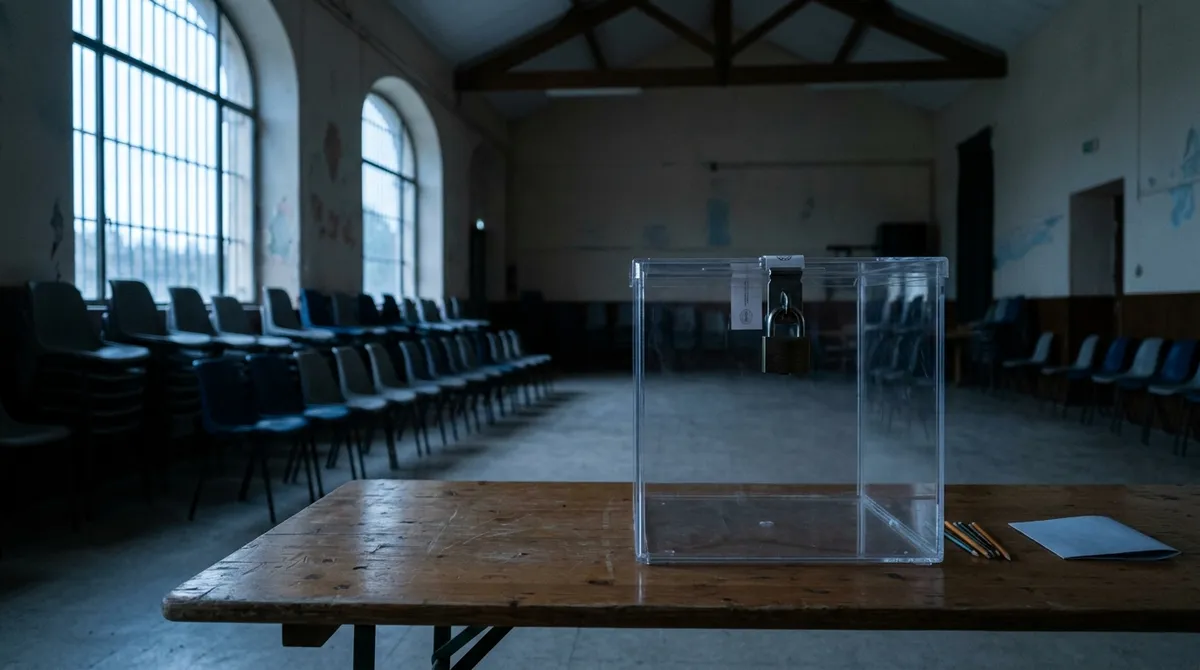
In a startling move reported by multiple outlets including ABC News and The Guardian, Ortega asserted that Nicaragua would not conduct future elections. This statement not only extends his rule but also raises questions about the future of democracy in the nation. With Ortega's actions, the notion of participatory governance seems to be quickly fading.
The Context of Ortega's Rule
Ortega has been in power since 2007, solidifying his grip over Nicaraguan politics as changes were made to the constitution to benefit his administration. When recent opposition candidates sought to challenge him, their campaigns faced relentless crackdowns, leading to a climate of political repression. This latest declaration reinforces a trend wherein dissenting voices are systematically silenced, pushing Nicaragua further toward authoritarianism.
What Happens Next for Citizens?
The implications for Nicaraguans are significant. Without elections, there are limited avenues for accountability or change in leadership. This may lead to increased dissatisfaction and frustrations among the populace, especially among those who oppose Ortega’s regime. Citizens may experience a greater loss of civil liberties as the government fortifies its power without electoral oversight.
This scenario raises further concerns about how resources will be allocated, affecting sectors like education and healthcare, which are already strained. The absence of a democratic process means economic and social policies will presumably continue to reflect Ortega’s priorities rather than the needs of the Nicaraguan people.
Global Ramifications
This news not only impacts Nicaragua but resonates beyond its borders, suggesting potential stability issues in a region that has a complex relationship with authoritarianism. The international community, including human rights organizations, is likely to respond more vigorously as these developments unfold. Furthermore, neighboring countries may find themselves scrutinizing their own political practices, particularly in terms of governance and human rights, in light of Nicaragua's descent.
Why This Matters
This announcement is more than just a shift in Nicaraguan politics; it serves as a cautionary tale about the fragility of democracy worldwide. It reflects a growing trend where leaders leverage political power to extinguish opposition and circumvent the democratic process altogether. Understanding these dynamics is crucial as many nations grapple with similar challenges.
In conclusion, Nicaragua's future is at a crucial crossroads. As President Ortega proclaims the end of electoral processes, it's essential to stay informed about how this decision will shape not only the fate of its citizens but also the political landscape of Latin America as a whole.